Engineering guides
Plain guides to the ideas behind the calculators, each with its own original illustration. 52 guides are published so far, and more are added in batches.
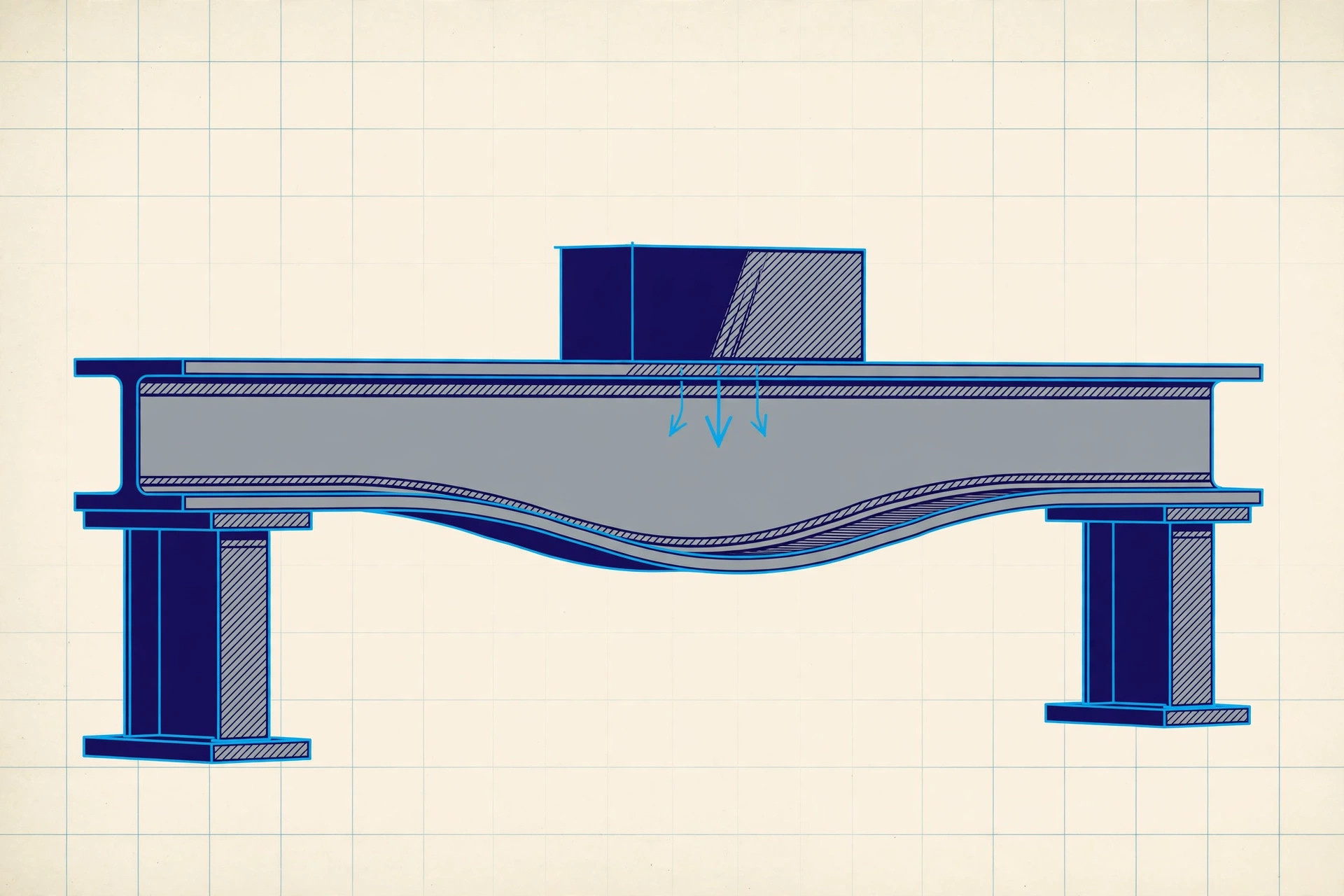
How Beam Deflection Works
Why beams sag, what controls how much they bend, and how engineers predict the deflection before anything is built.
Read the guide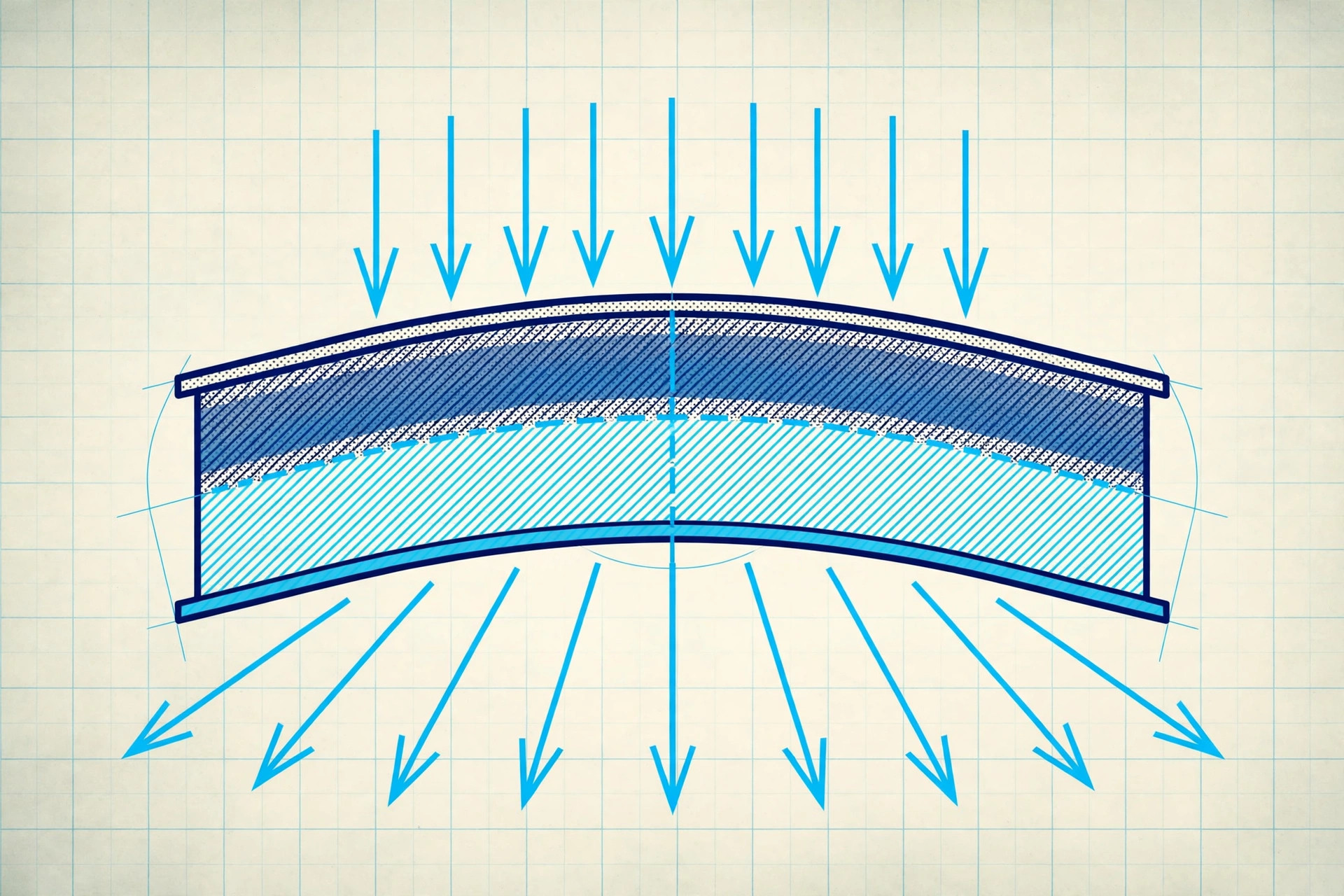
What Is Bending Stress?
How bending a beam creates tension on one face and compression on the other, and how the stress is worked out from the moment.
Read the guide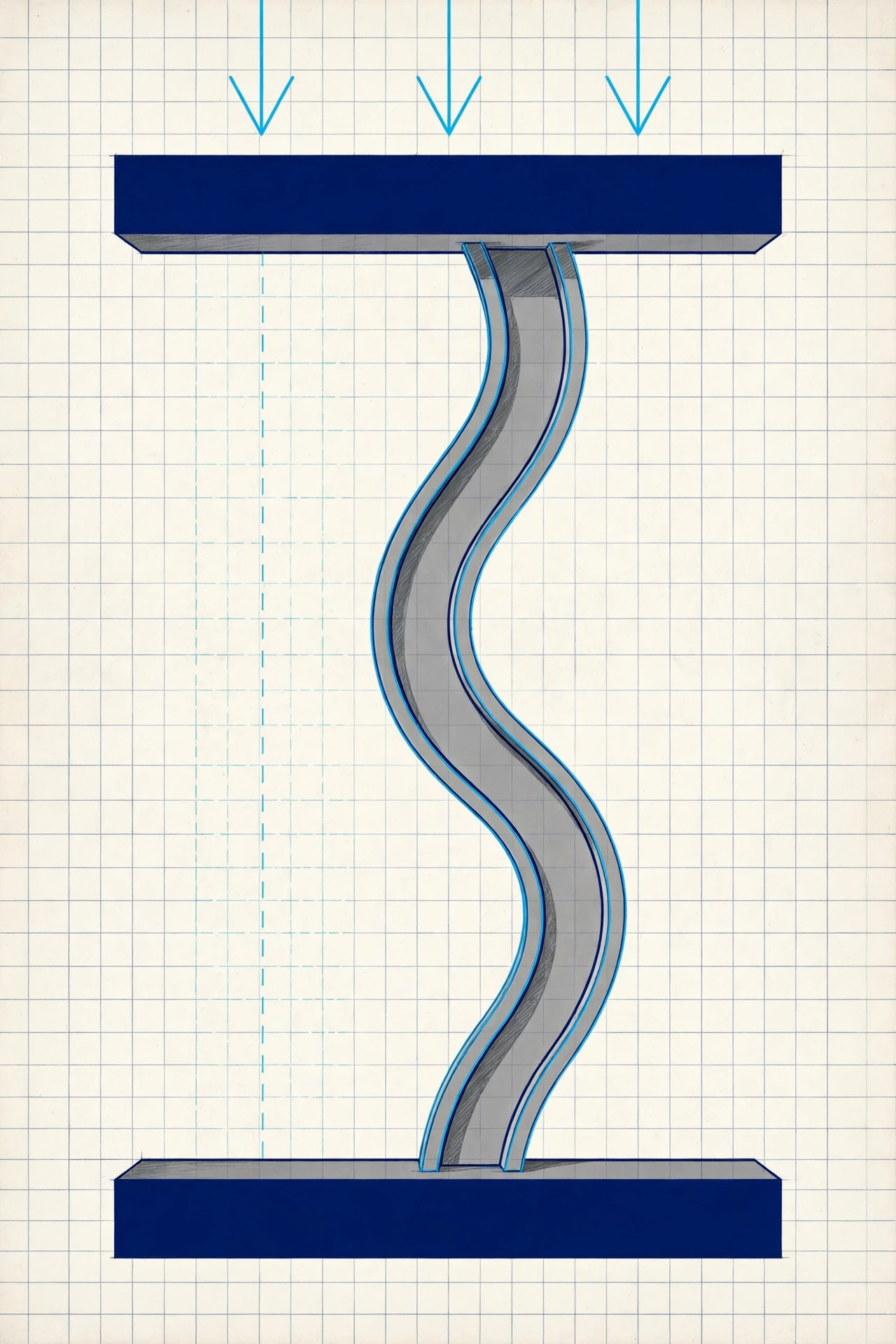
Euler Buckling, Explained Simply
Why slender columns bow sideways and fail suddenly, and how the Euler formula predicts the load at which it happens.
Read the guide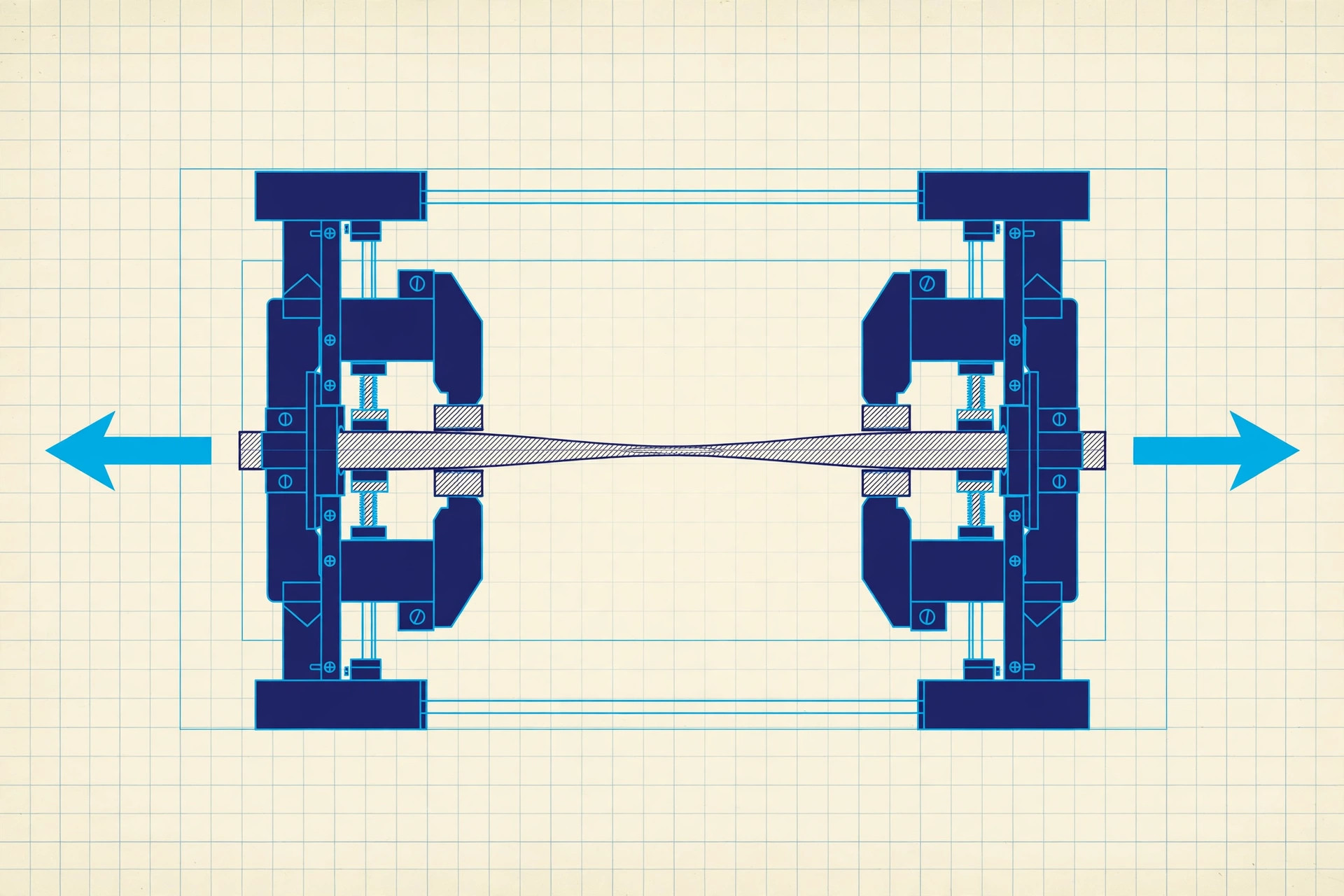
Stress and Strain: The Basics
The two most fundamental ideas in mechanical engineering: what stress and strain mean, and how they connect through Hookes law.
Read the guide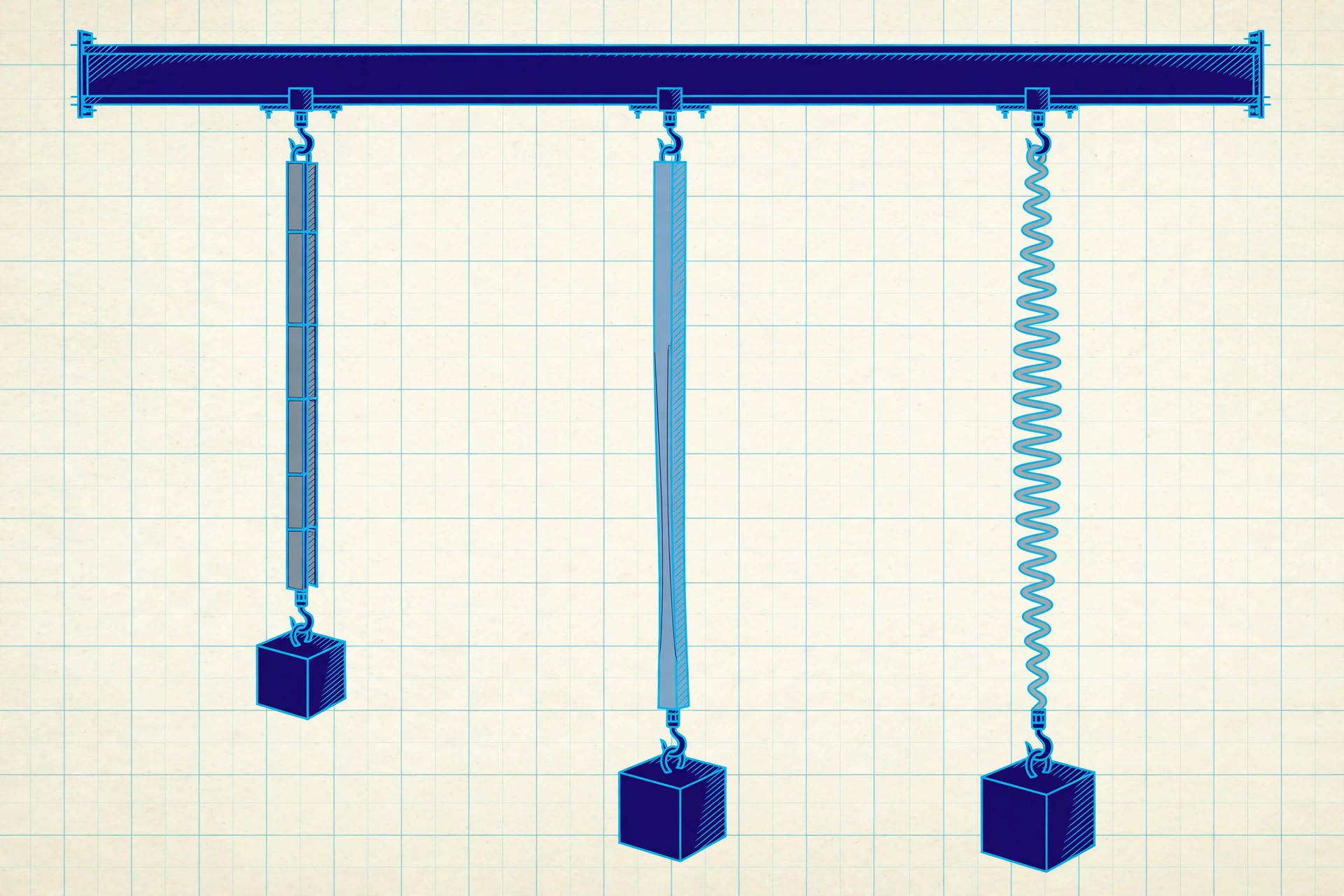
Youngs Modulus Explained
What the stiffness number of a material really measures, why steel and aluminium differ, and where the value comes from.
Read the guide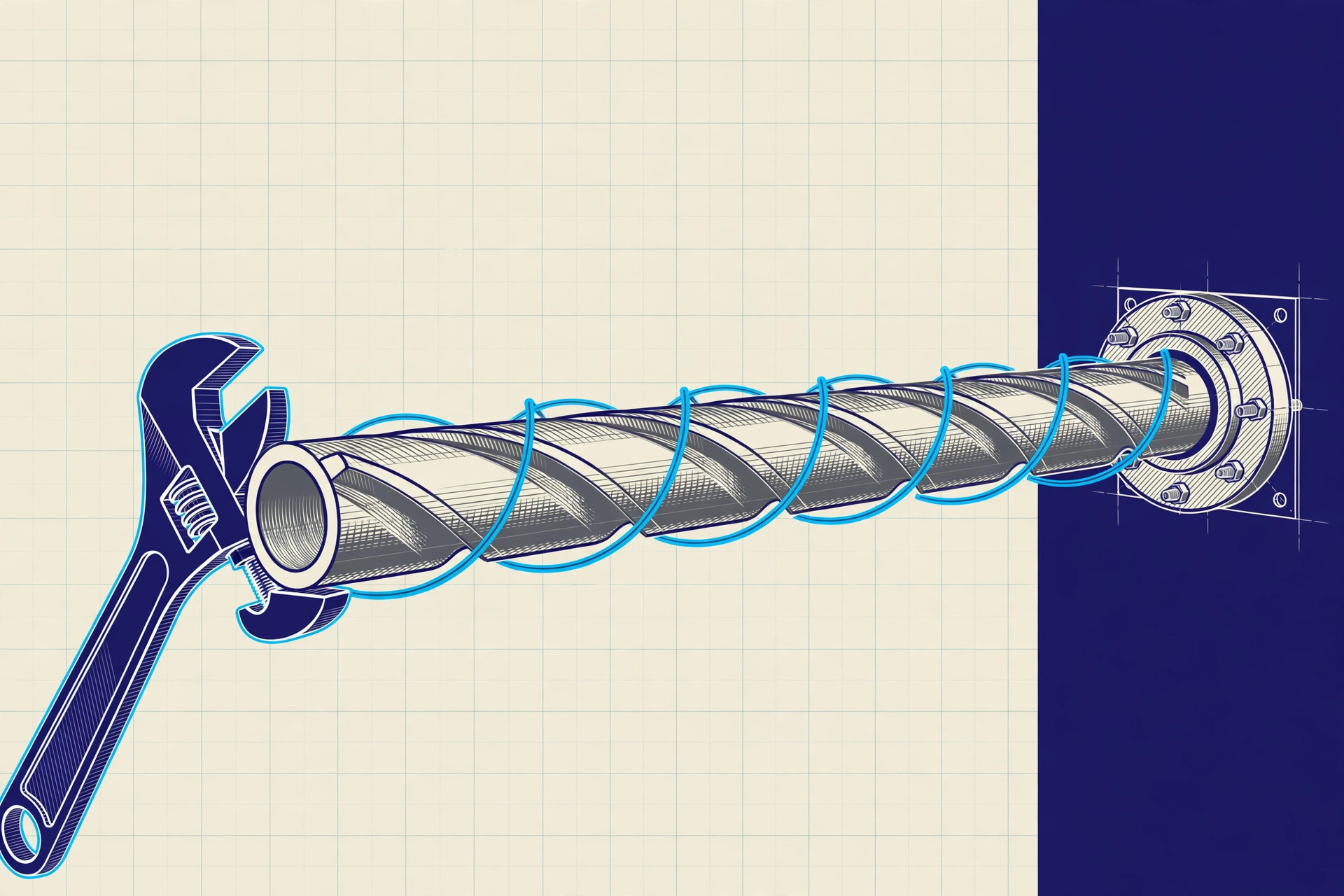
Torsion in Shafts, Explained
How twisting loads stress a shaft, why hollow shafts are so efficient, and how angle of twist is calculated.
Read the guide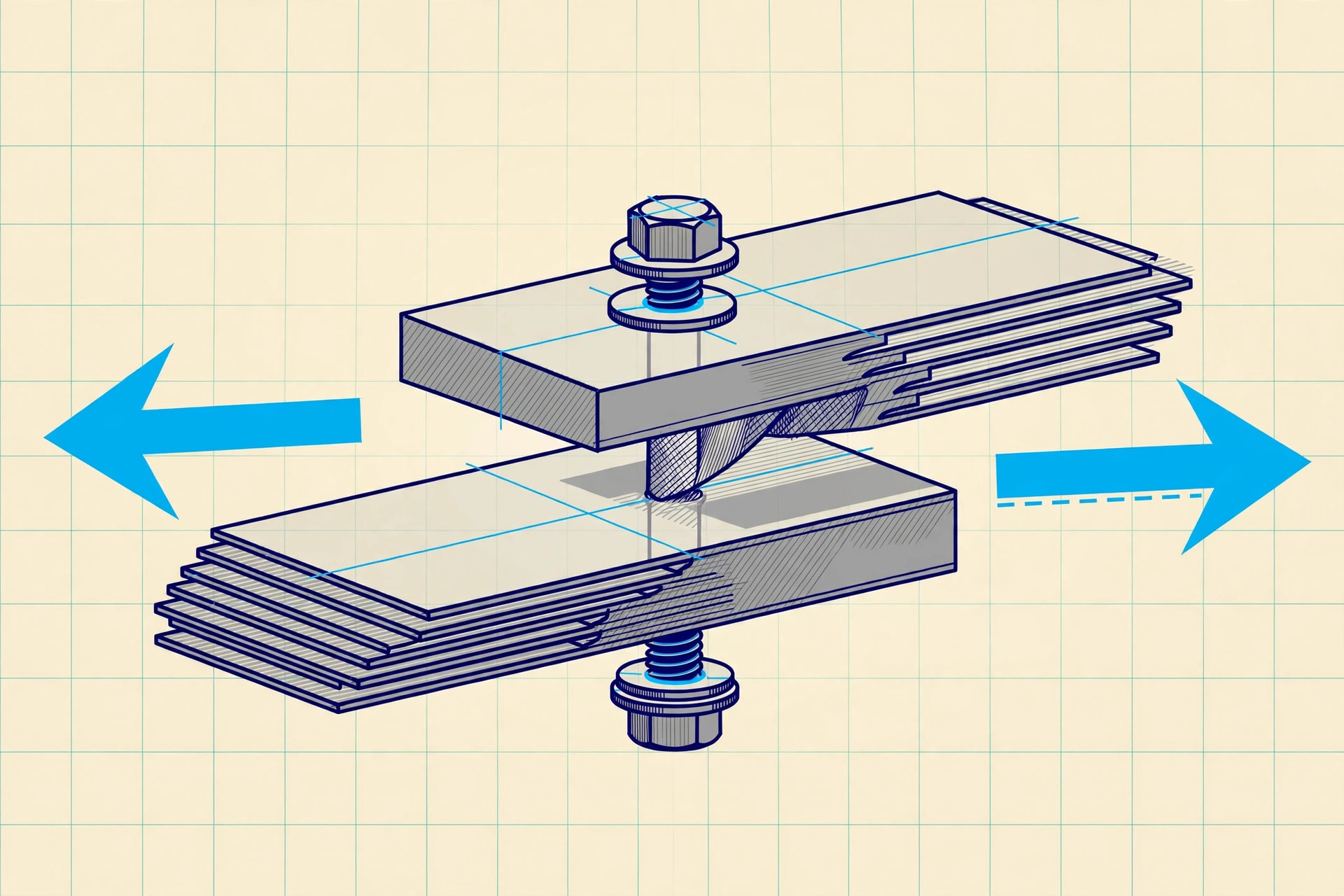
Shear Stress Explained
What shear stress is, where it appears in bolts, rivets, beams and shafts, and how to think about shear strength.
Read the guide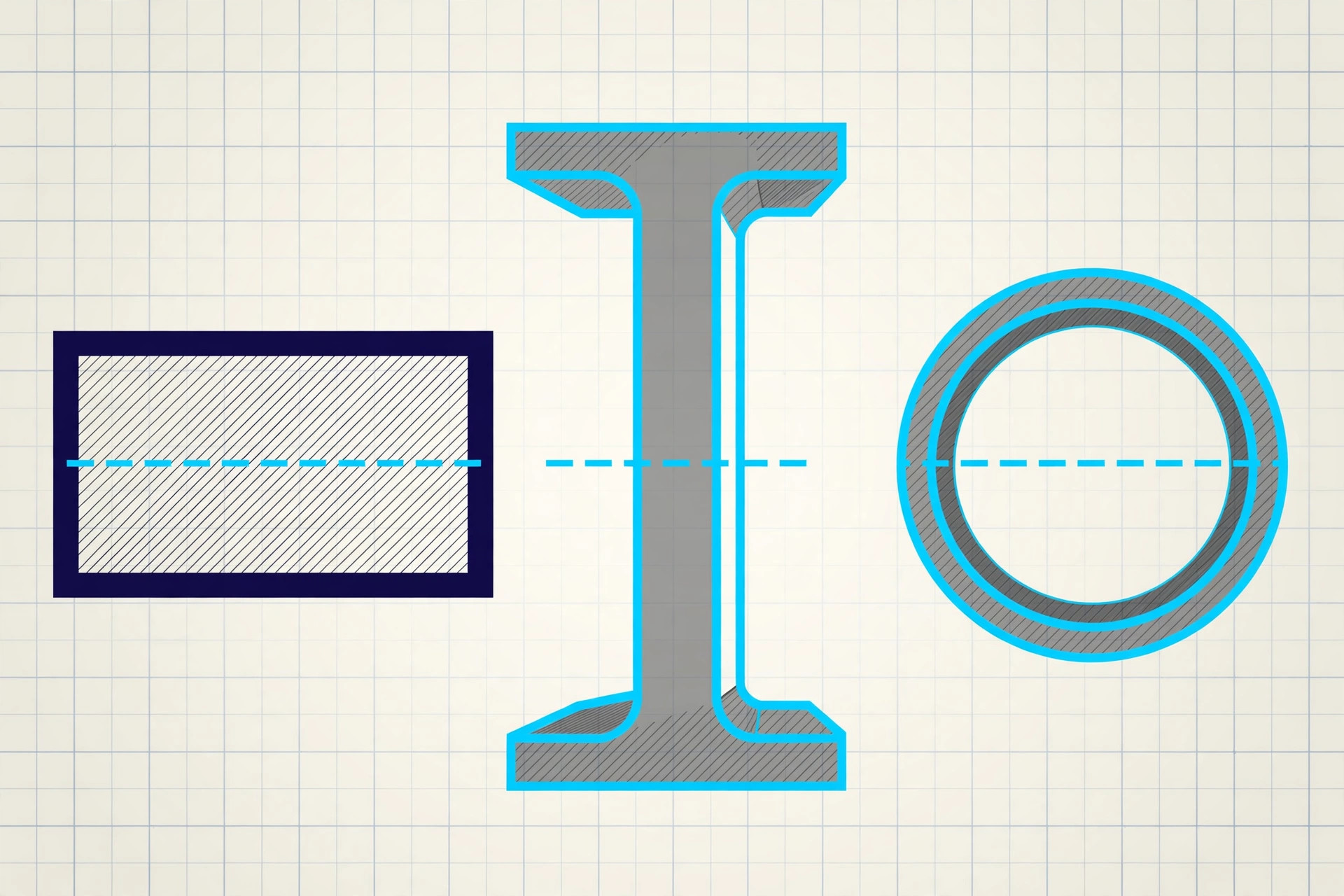
Second Moment of Area and Section Modulus
The two section properties behind almost every beam calculation, what they mean physically, and how to use them.
Read the guide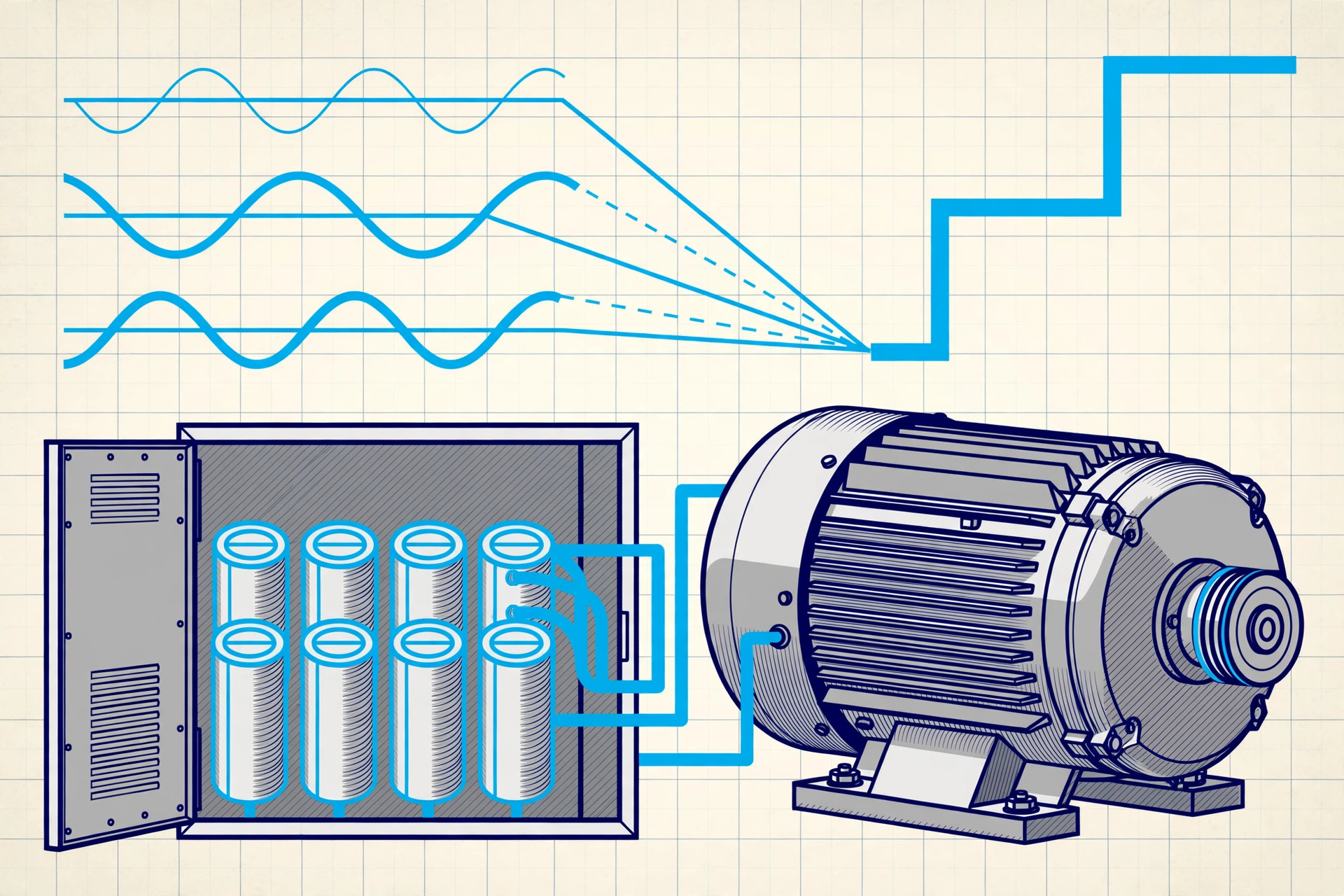
Power Factor Explained
What power factor measures, why utilities penalise a poor one, and how correction capacitors pay for themselves.
Read the guide
Voltage Drop in Cables Explained
Why long cable runs lose voltage, the limits the regulations allow, and how cable size, current and length trade off.
Read the guide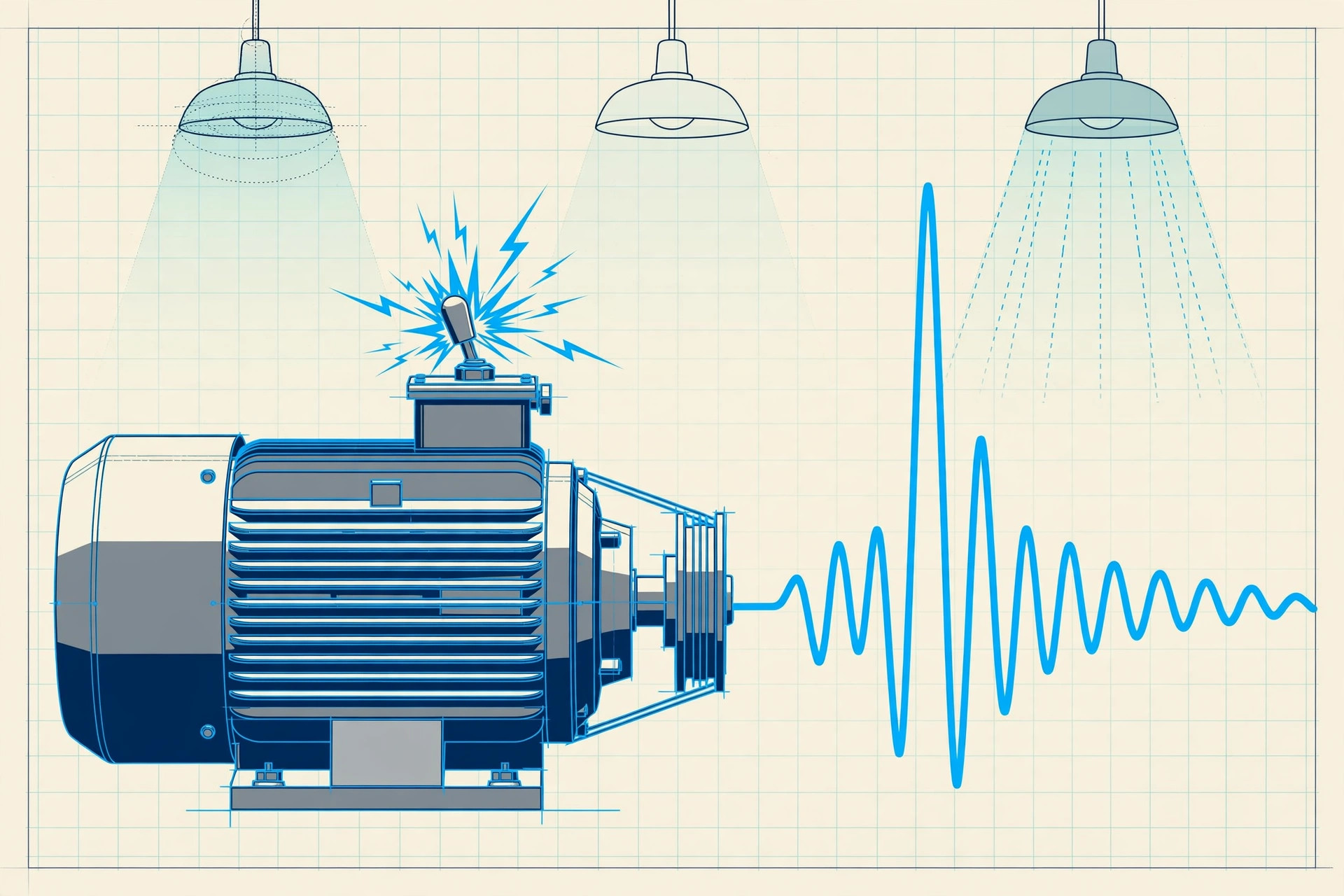
Motor Starting Current Explained
Why motors draw six to eight times their running current at switch on, what that stresses, and how soft starting helps.
Read the guide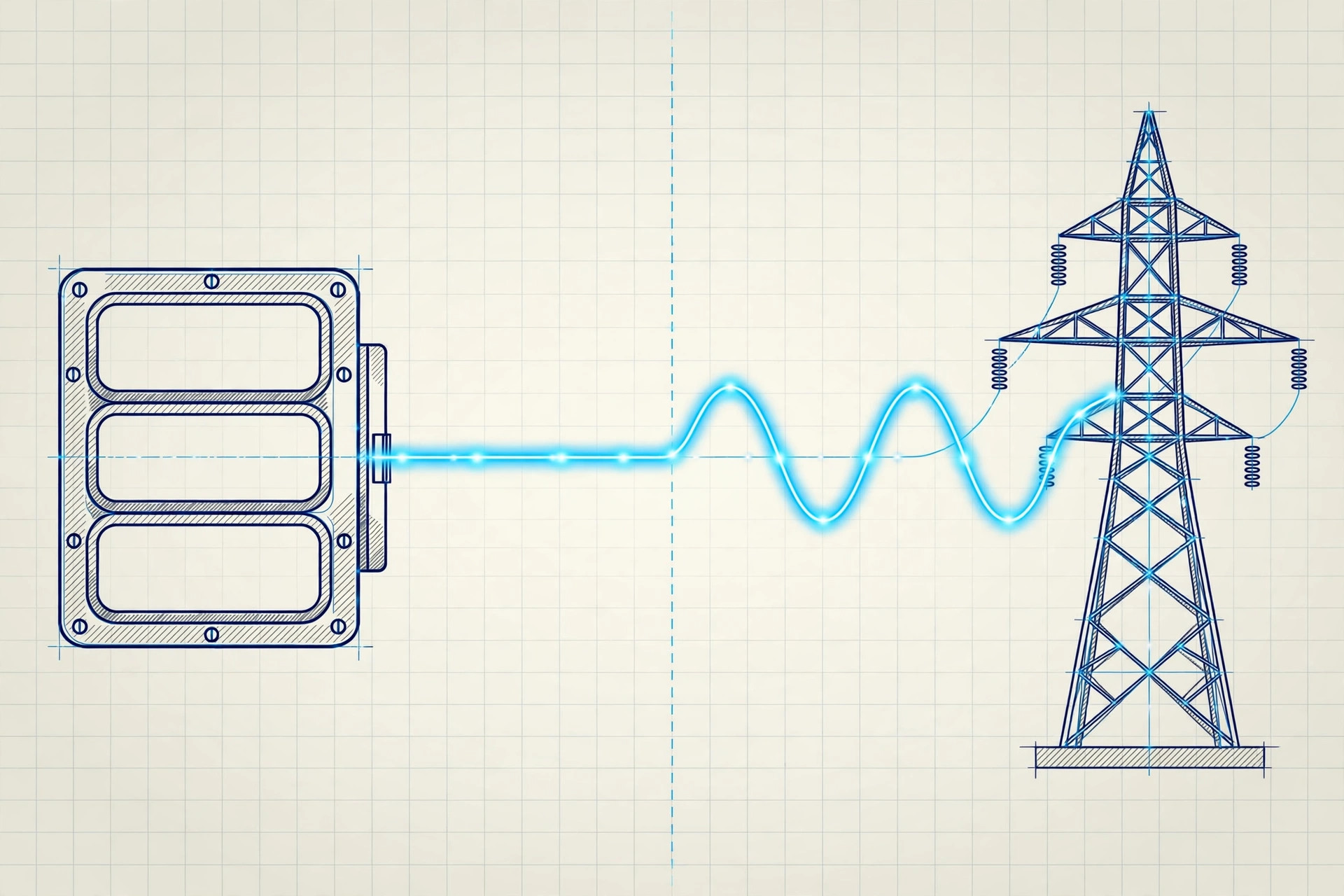
AC and DC Explained
The two forms of electric current, why the grid chose alternating current, and why direct current is quietly returning.
Read the guide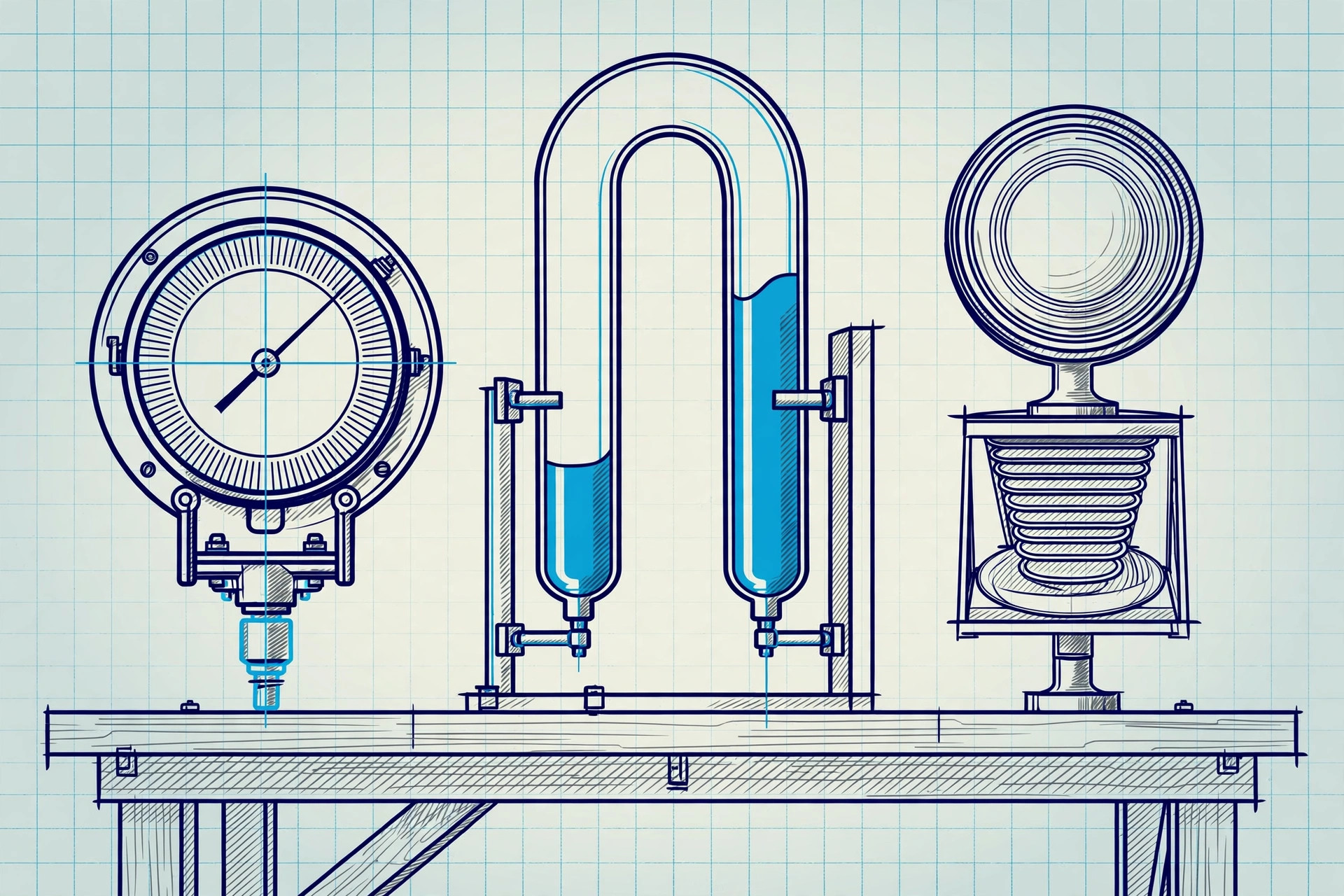
Pressure Units Explained
The family of pressure units and where each belongs: pascals, bar, psi, atmospheres and the mercury columns of medicine and weather.
Read the guide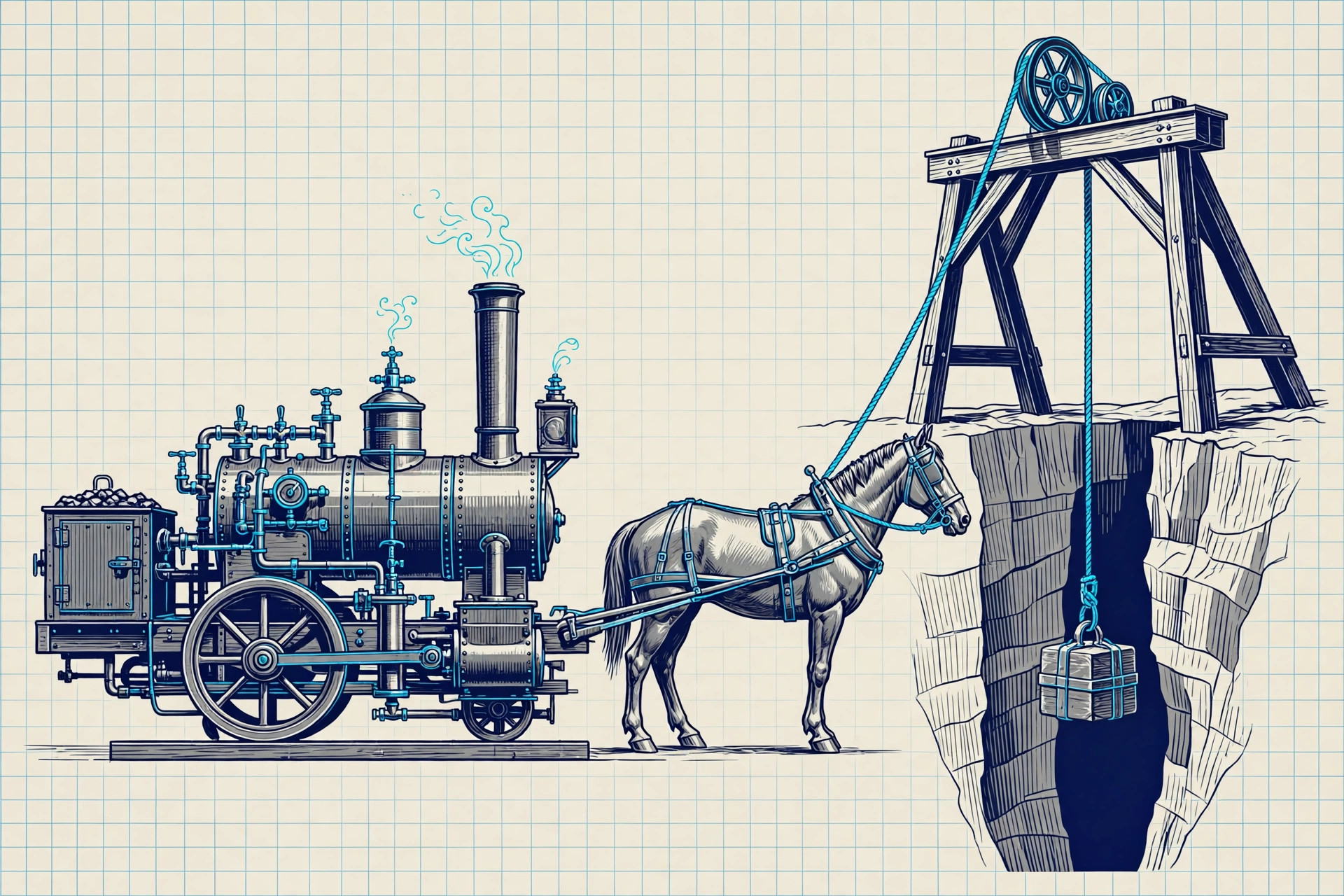
Horsepower and Kilowatts
Where horsepower came from, why there are two kinds, and how it converts to the kilowatts that ratings now use.
Read the guide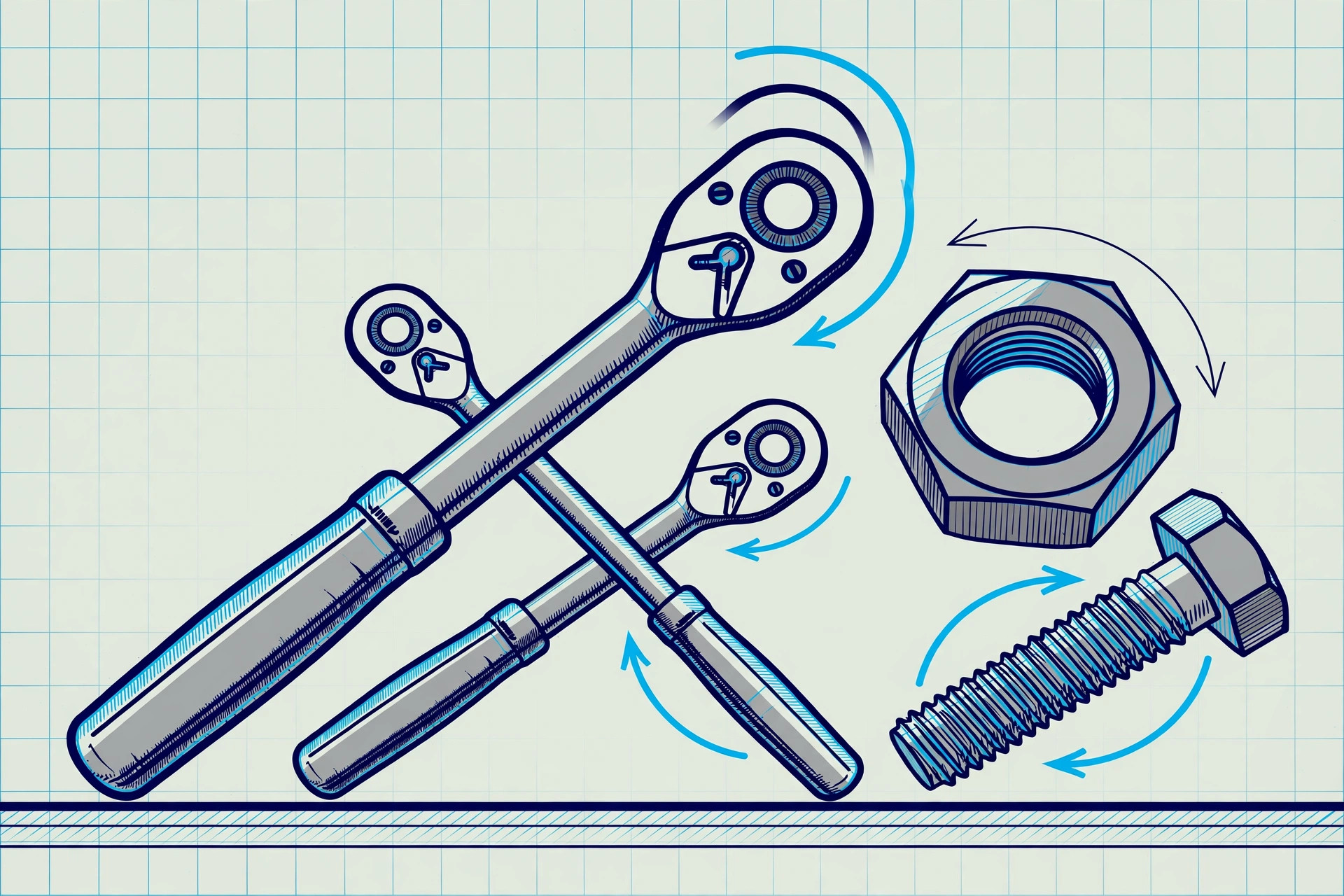
Torque Units Explained
The torque units of different industries, why pound feet and newton metres get confused, and the factor of twelve trap.
Read the guide
Steel Grades Explained
How structural steels are graded, what the numbers in S355 or 8.8 actually promise, and how grades are chosen.
Read the guide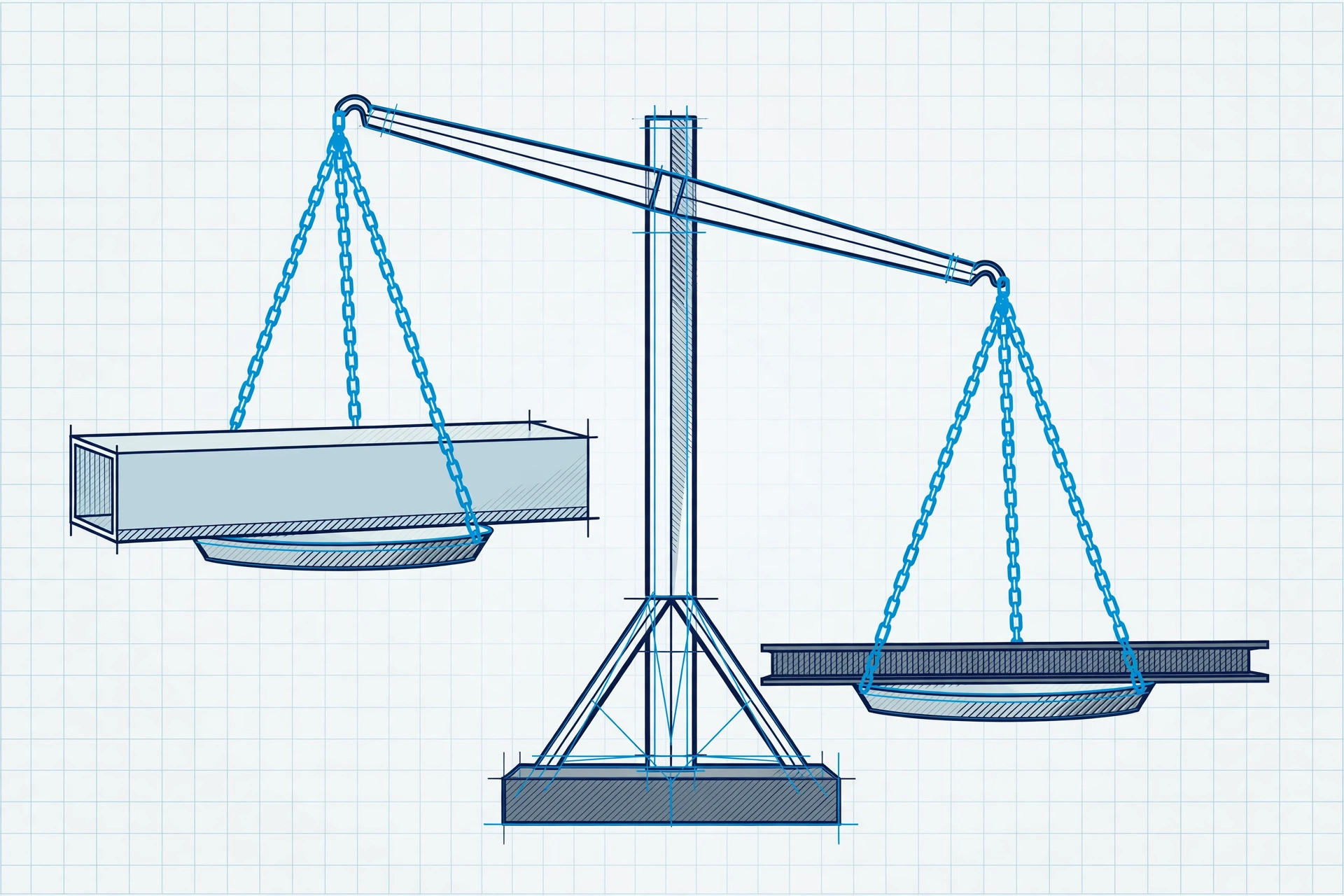
Aluminium vs Steel: An Honest Comparison
The honest comparison between the two great structural metals: stiffness, weight, strength, corrosion, cost and joining.
Read the guide
SI Units in Engineering Practice
The SI system as engineers use it: the base units, the derived units with names, and the prefix habits that prevent errors.
Read the guide
Significant Figures and Rounding
How many digits an answer deserves, why calculators lie with precision, and the rounding habits of professional work.
Read the guide
How to Check an Engineering Calculation
A working method for catching errors before they become metal: units, magnitudes, limiting cases and independent routes.
Read the guide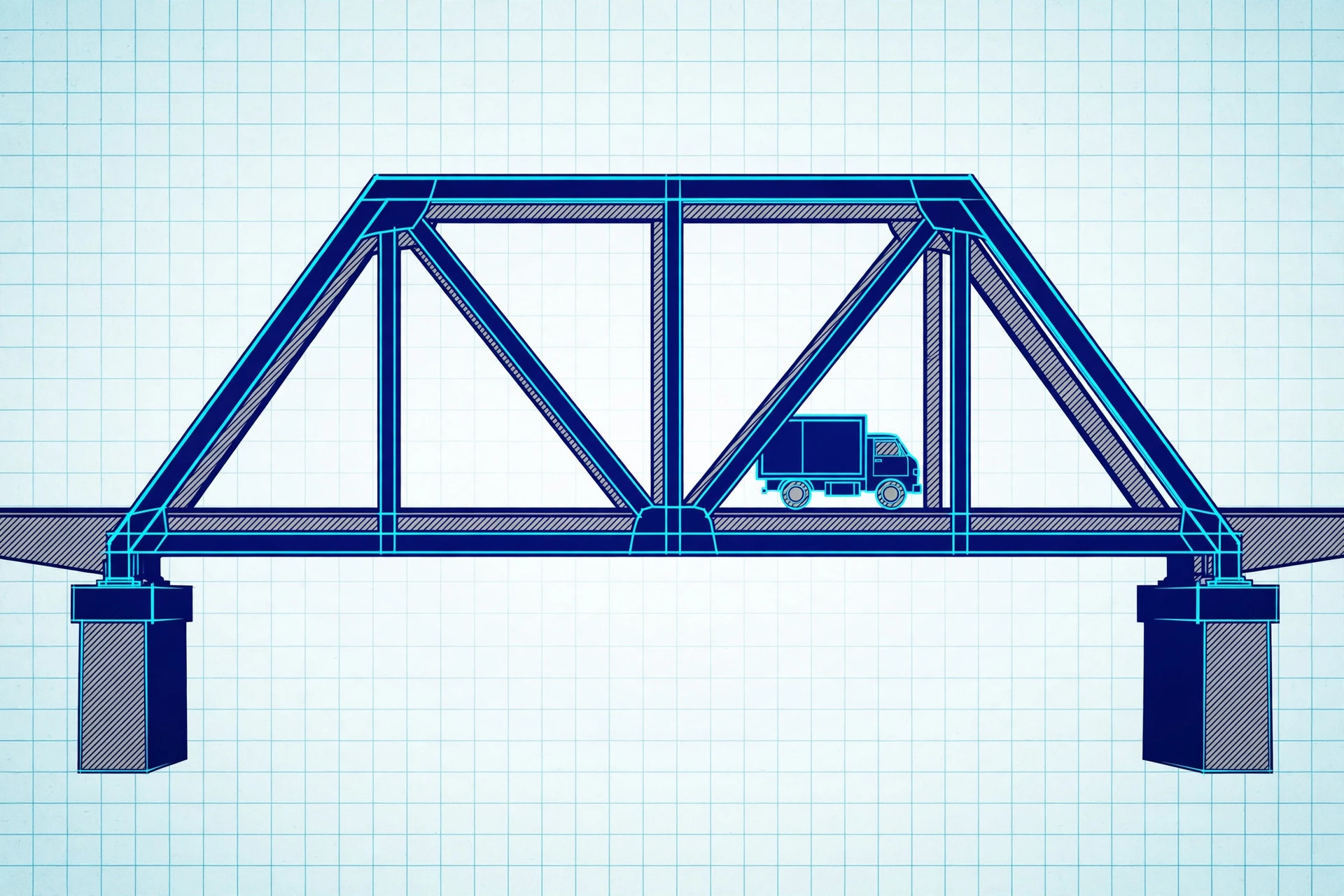
The Factor of Safety, Explained
What a factor of safety actually covers, how different industries choose theirs, and why bigger is not always better.
Read the guide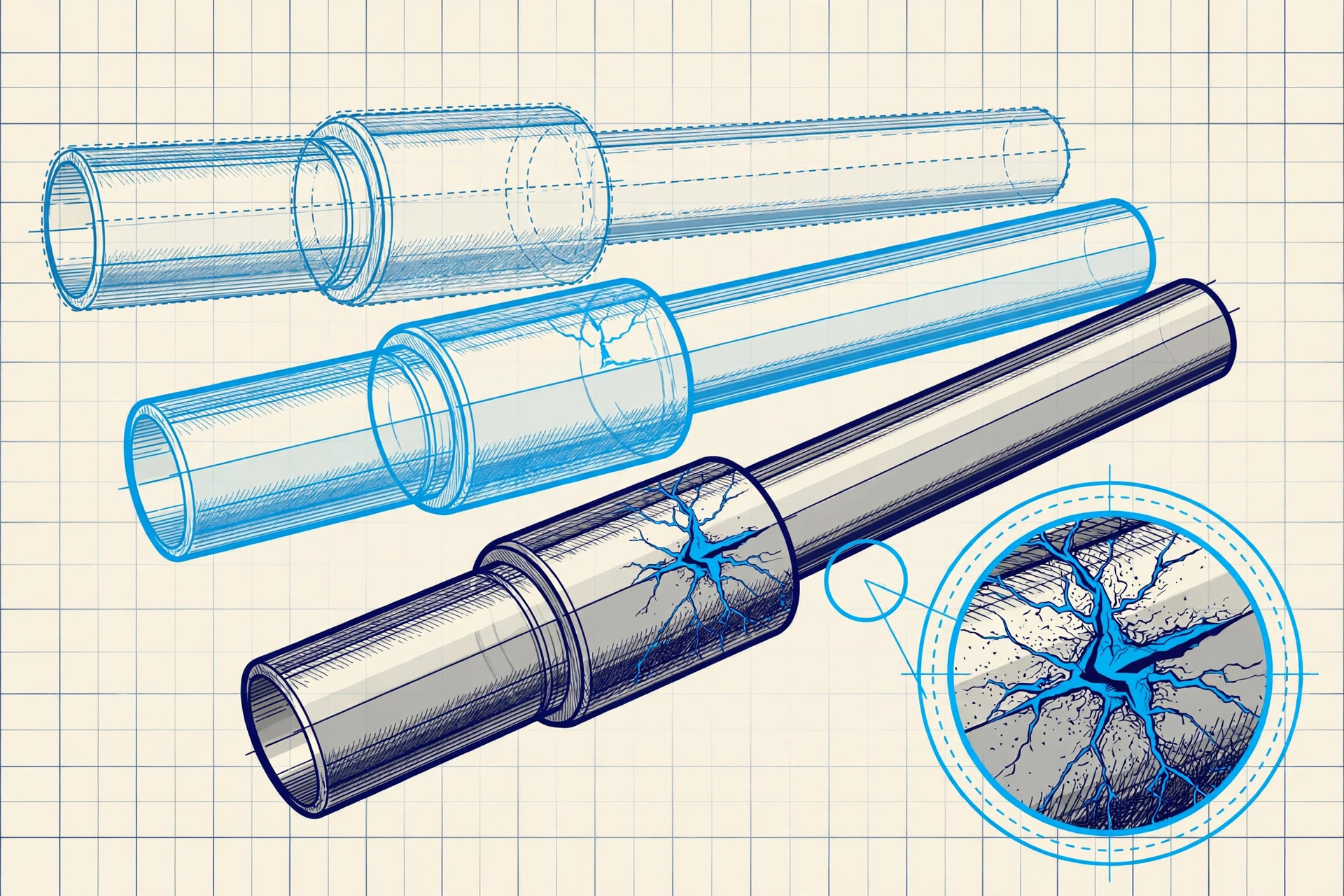
Fatigue and the Endurance Limit
Why parts fail under repeated loads far below their static strength, and what the endurance limit means for design.
Read the guide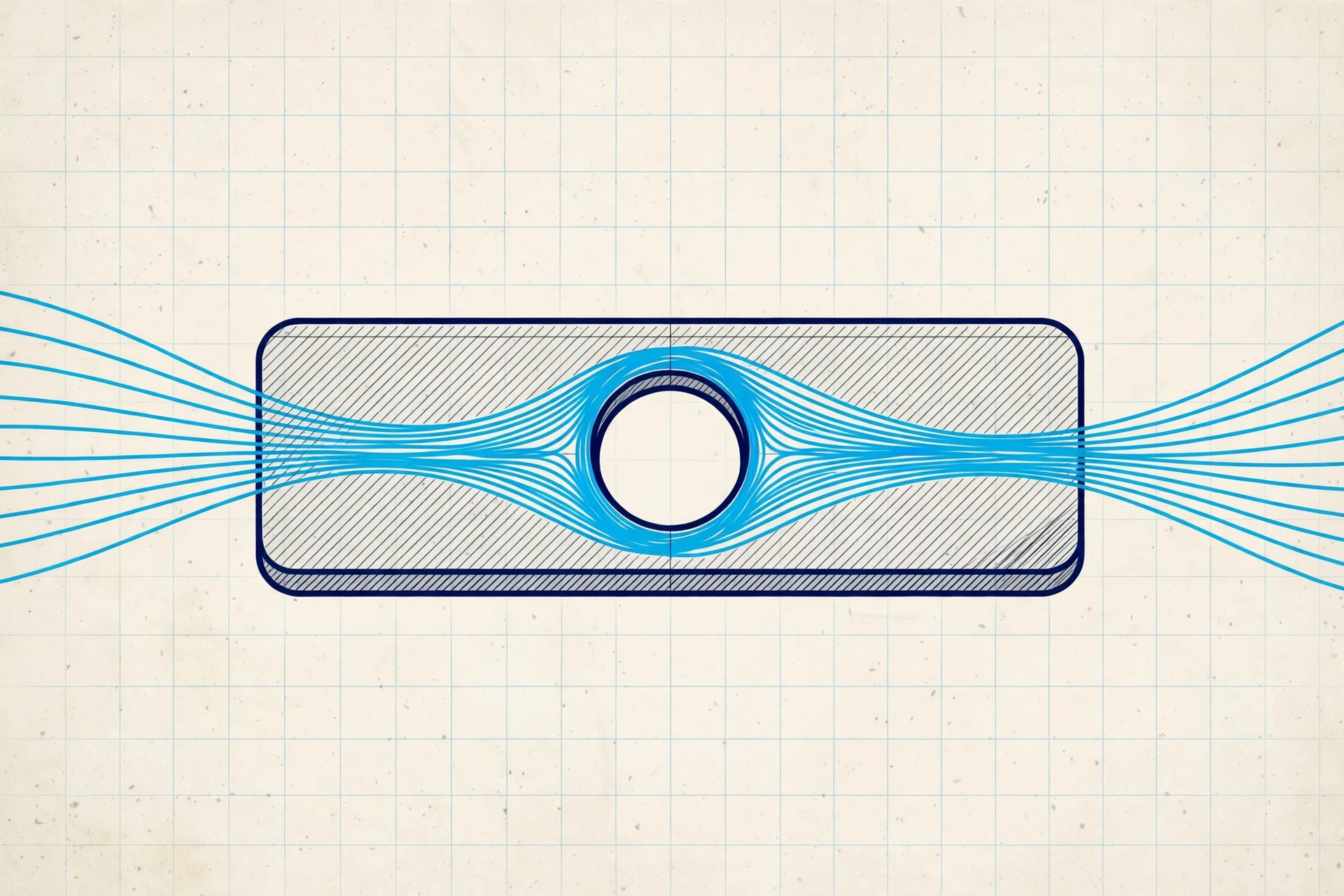
Stress Concentration Explained
Why holes, notches and sharp corners multiply local stress, and how the stress concentration factor is used.
Read the guide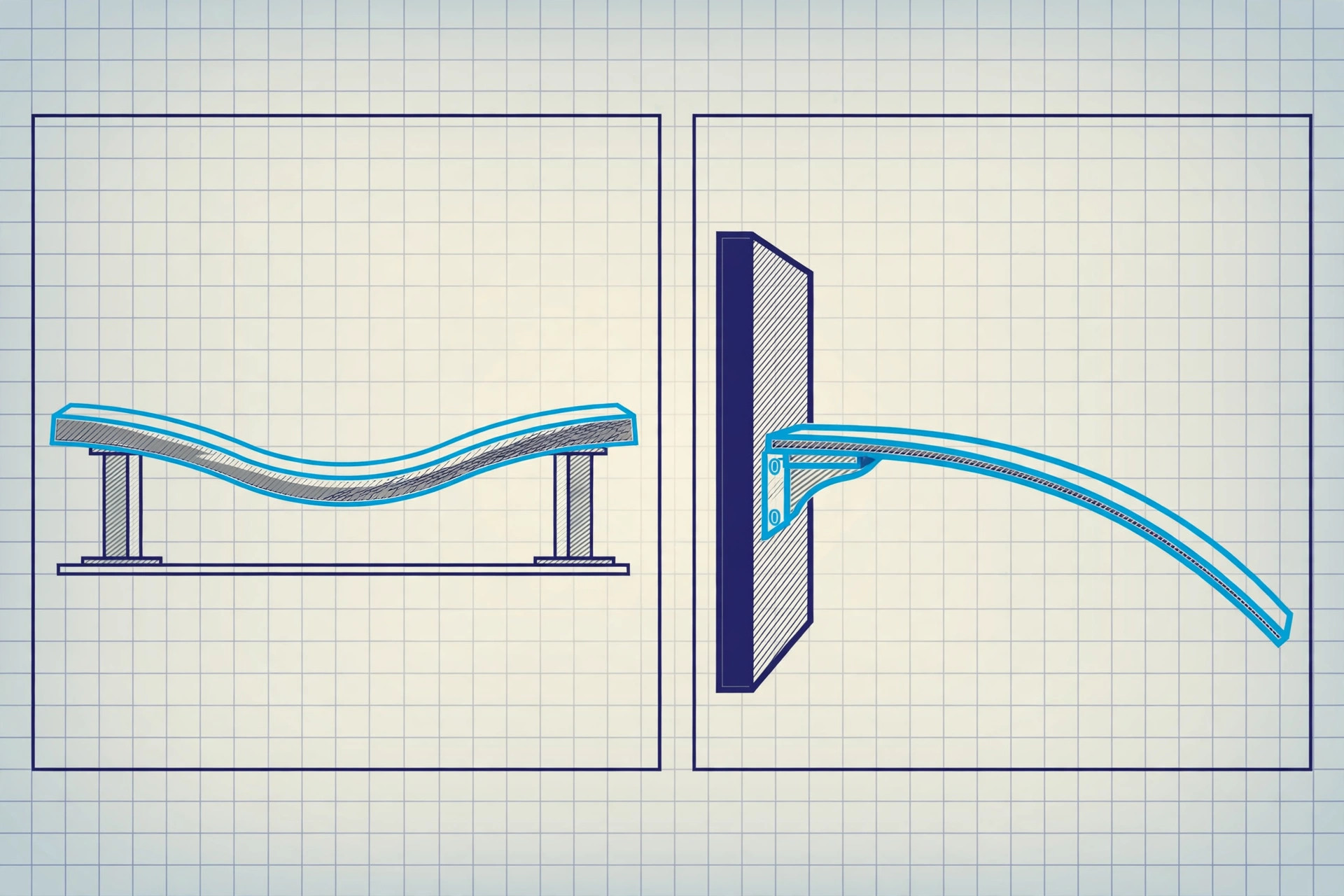
Simply Supported vs Cantilever Beams
The two most common beam arrangements compared: how their moments, deflections and uses differ, and why it matters.
Read the guide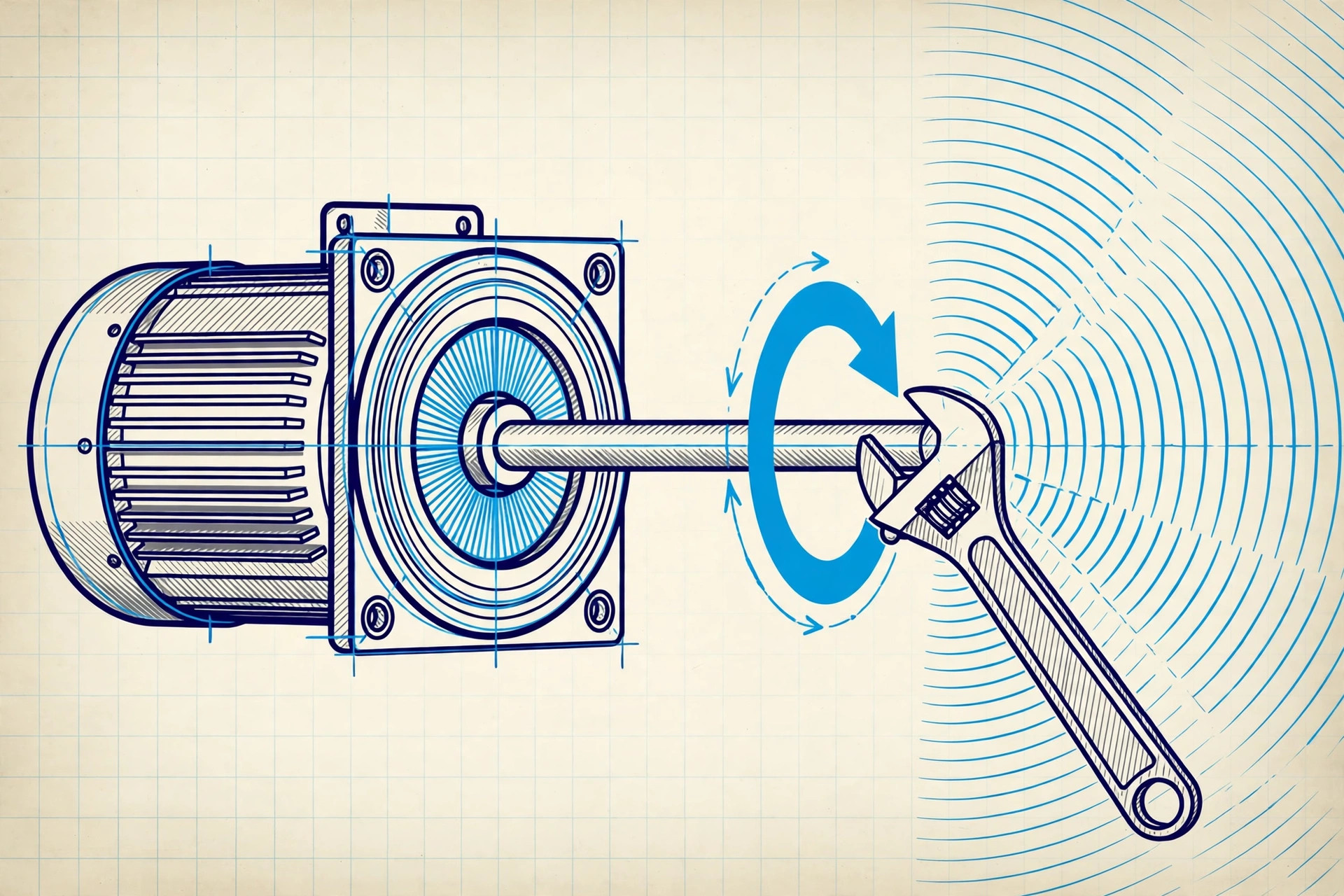
Torque, Speed and Power: The Relationship
The one equation that links torque, speed and power in every rotating machine, and how to use it without unit traps.
Read the guide
Gear Ratios Explained
How tooth counts set the ratio of a gear pair, what the ratio does to speed and torque, and how multi stage drives multiply.
Read the guide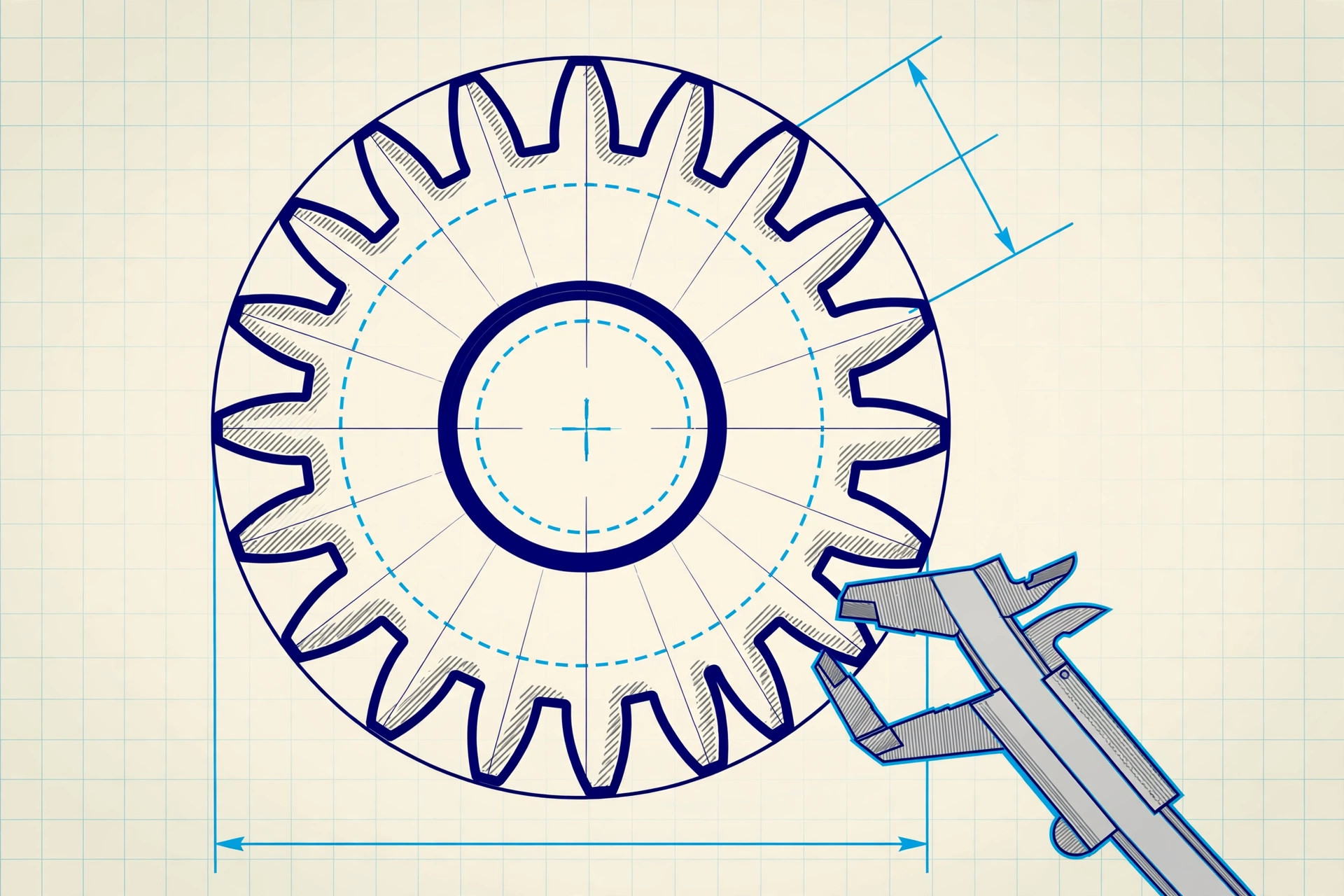
The Gear Module System Explained
The module system that sizes metric gears: what module means, how it fixes every other dimension, and how to choose it.
Read the guide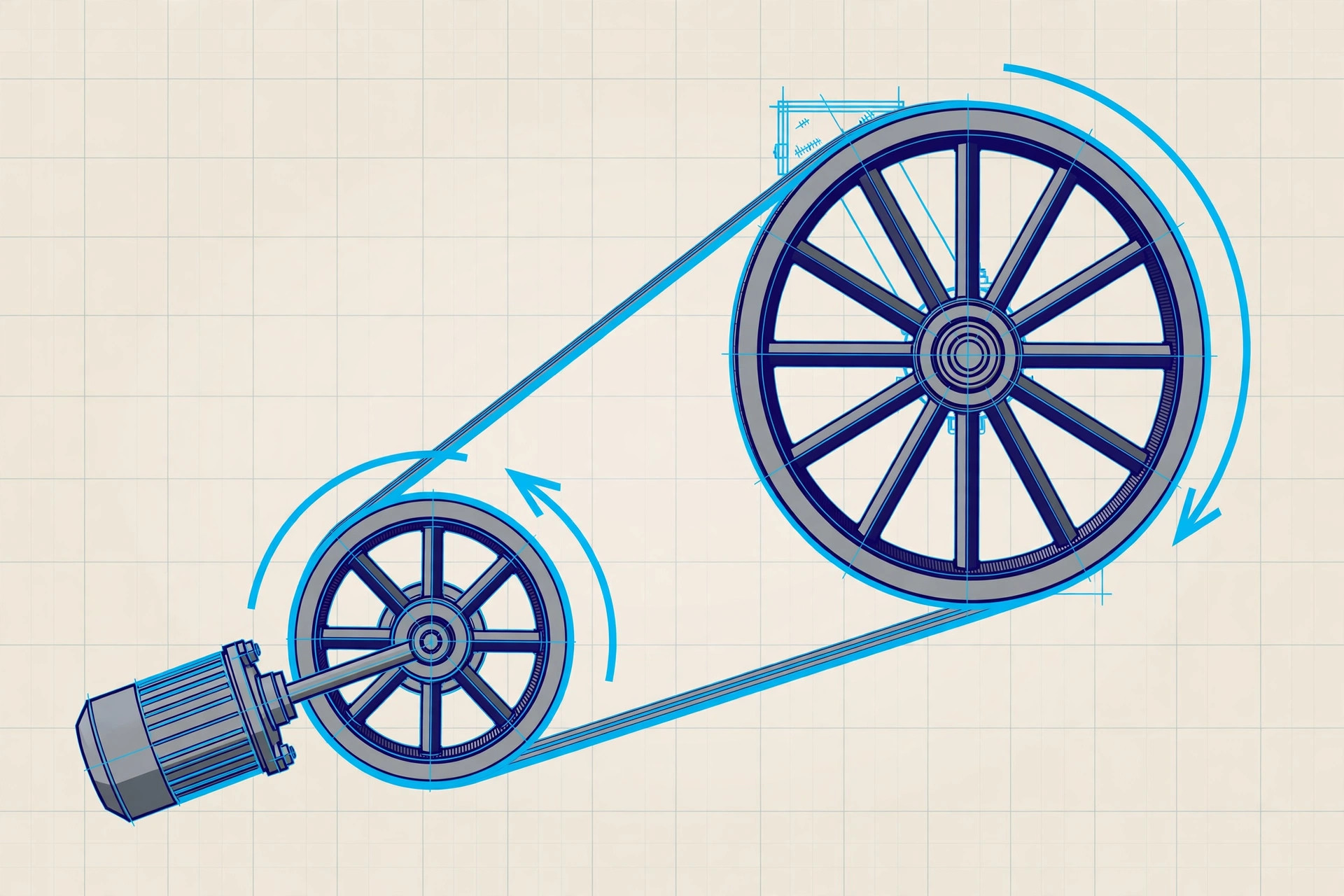
Belt Drives and Pulleys Explained
How belt drives transmit power, their ratio and belt length maths, and the honest comparison with chain drives.
Read the guide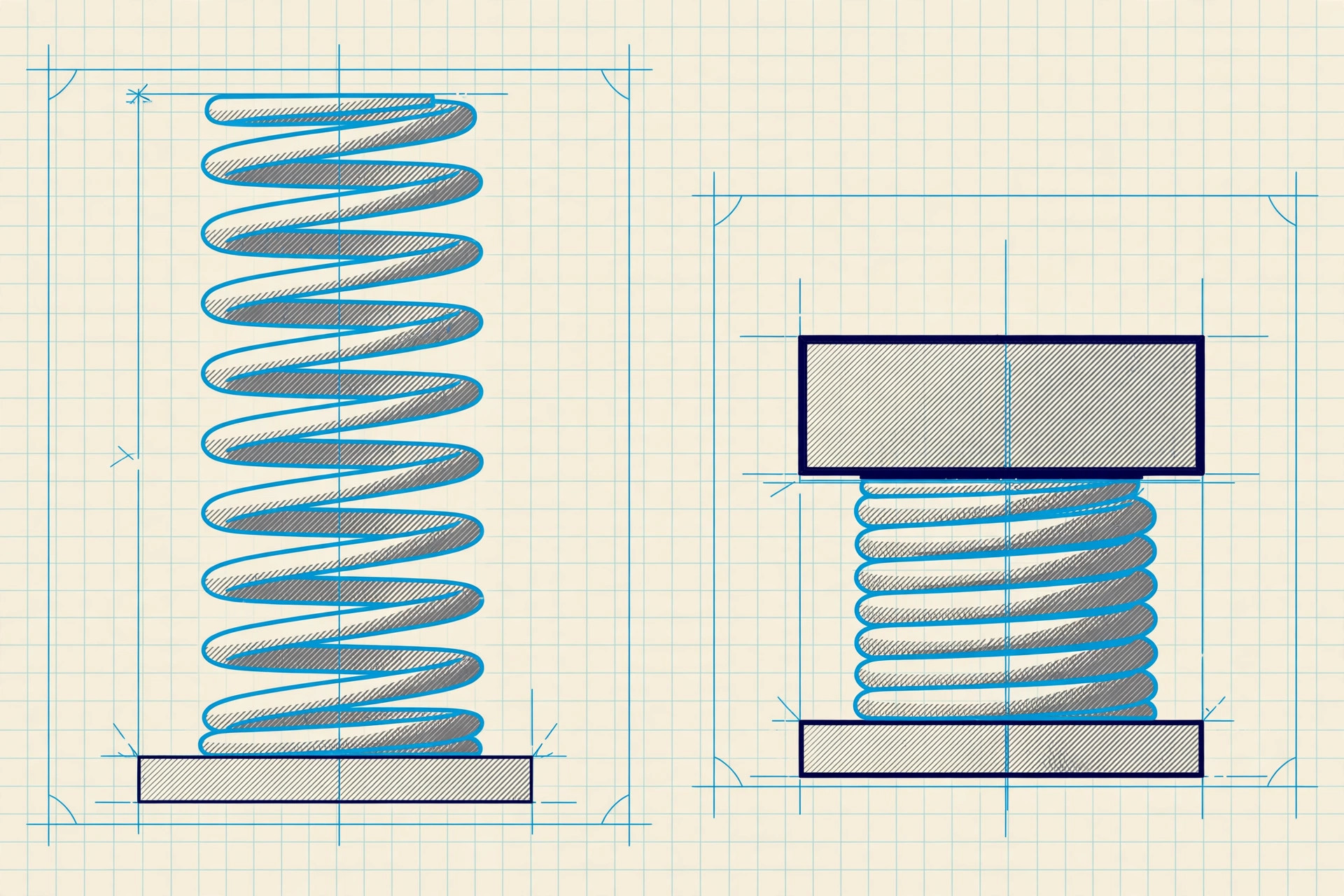
Spring Rate Explained
What spring rate means, the four dimensions that set it, and why wire diameter dominates the stiffness of a coil spring.
Read the guide
Bolt Preload and Tightening Torque
Why tightening torque is really about stretching the bolt, how friction steals most of the torque, and what preload does in a joint.
Read the guide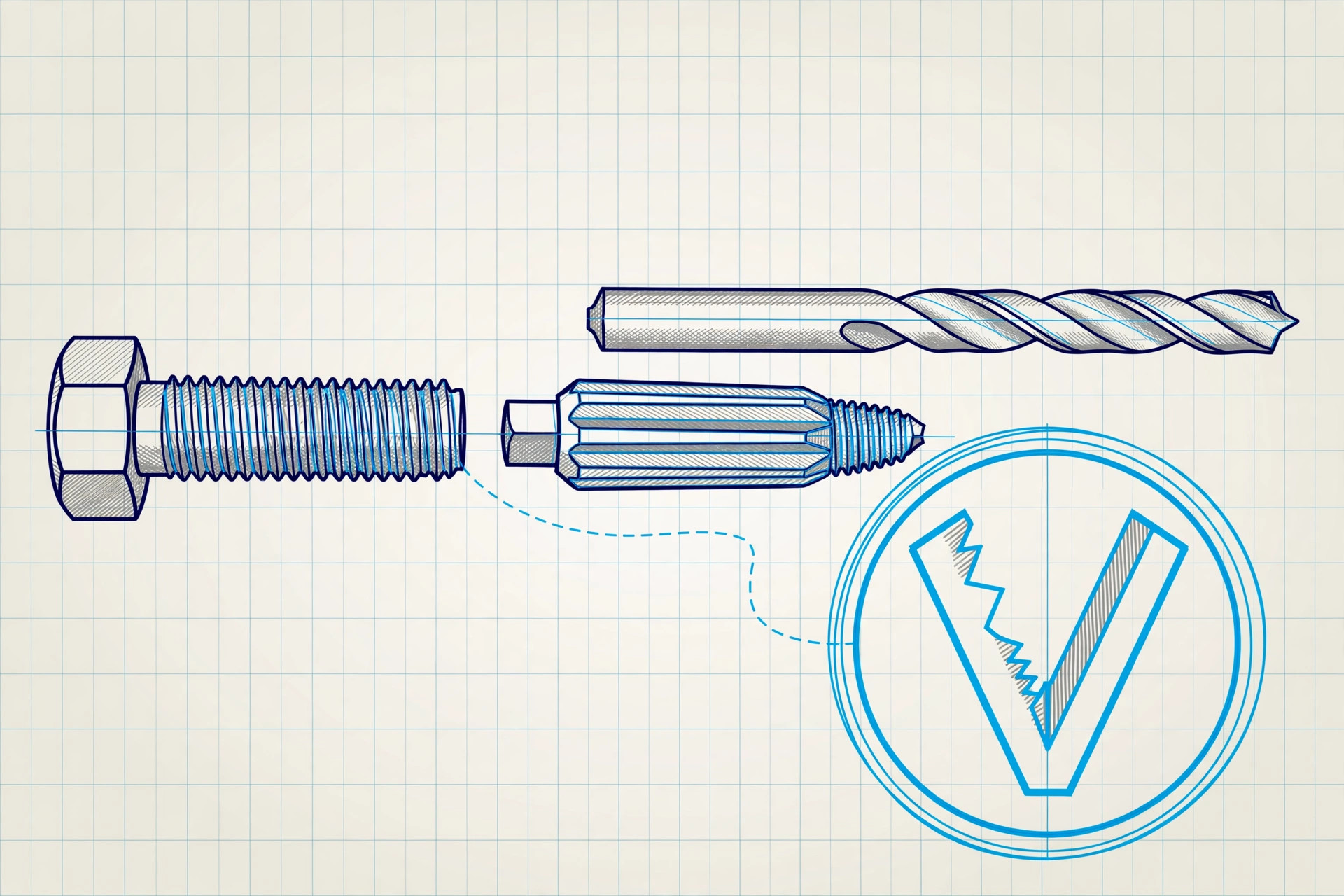
Thread Sizes and Tap Drills
How metric thread sizes are named, what pitch means, and how to pick the right drill before tapping a hole.
Read the guide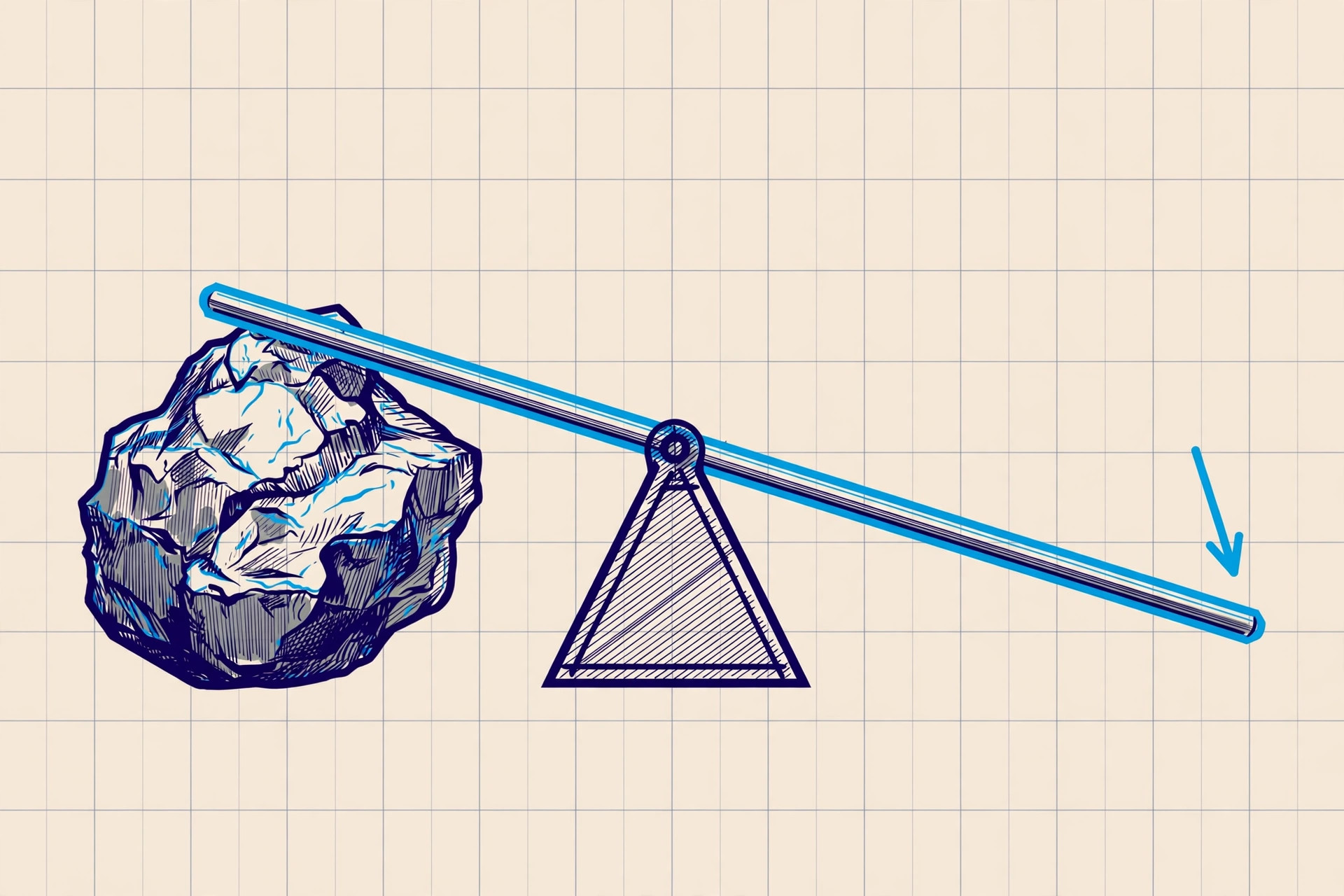
Mechanical Advantage Explained
How levers, gears, pulleys and hydraulics trade force against distance, and why no machine gives something for nothing.
Read the guide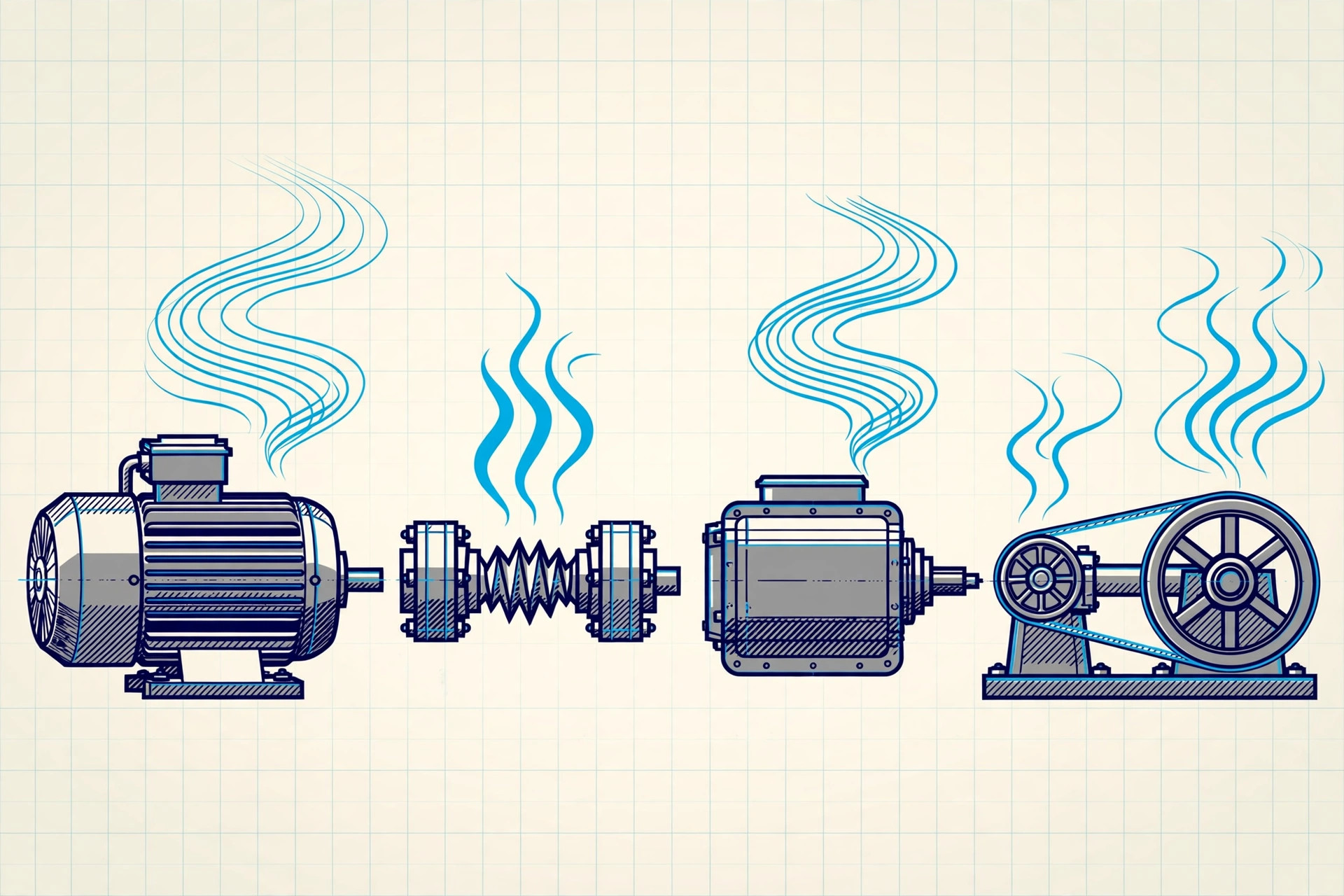
Efficiency and Power Losses in Drives
Where power goes missing between motor and load, the typical efficiency of each drive element, and how losses compound.
Read the guide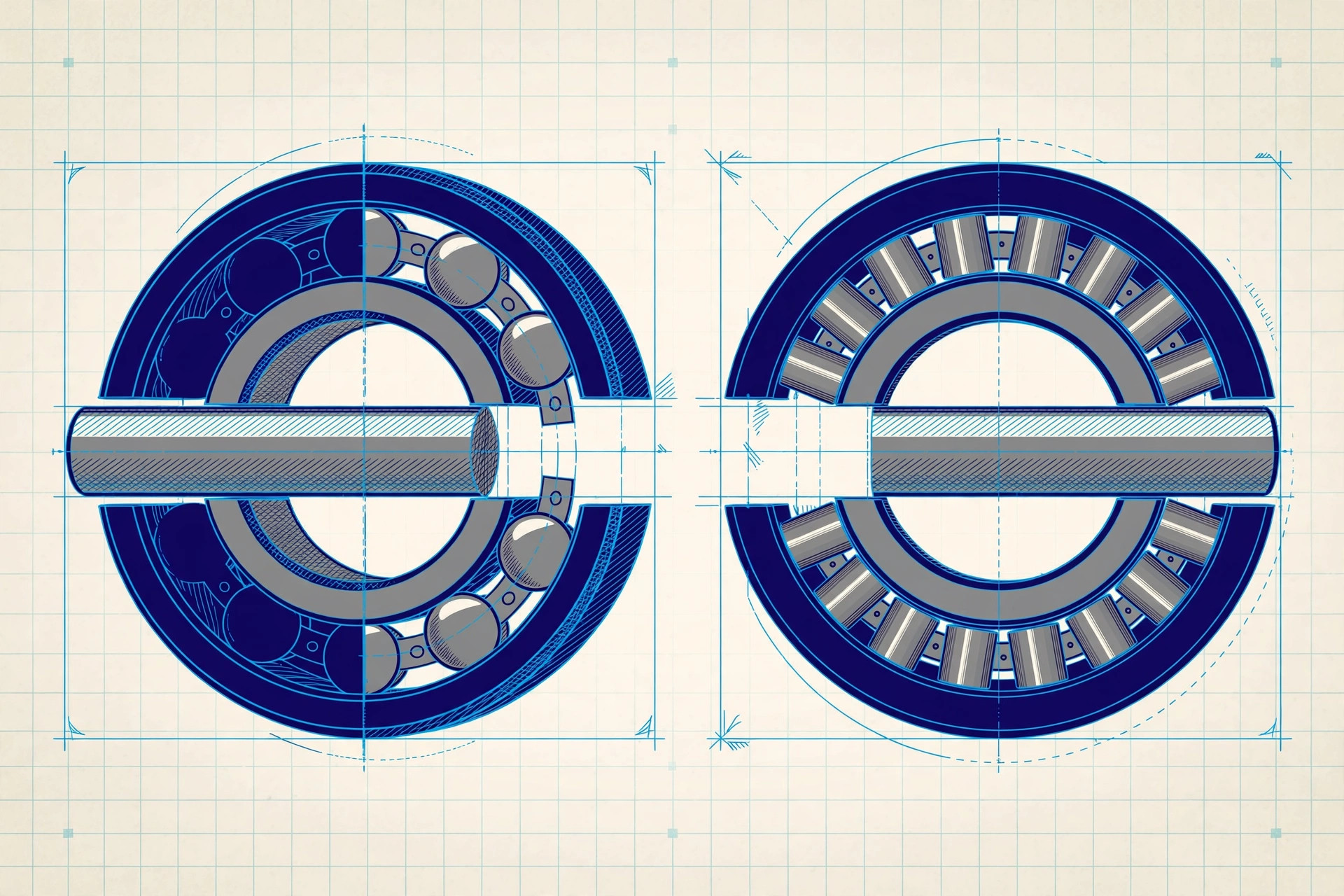
Bearings Explained: Types, Life and Failure
What rolling bearings do, the main types and what they suit, how bearing life is rated, and why most bearings die early.
Read the guide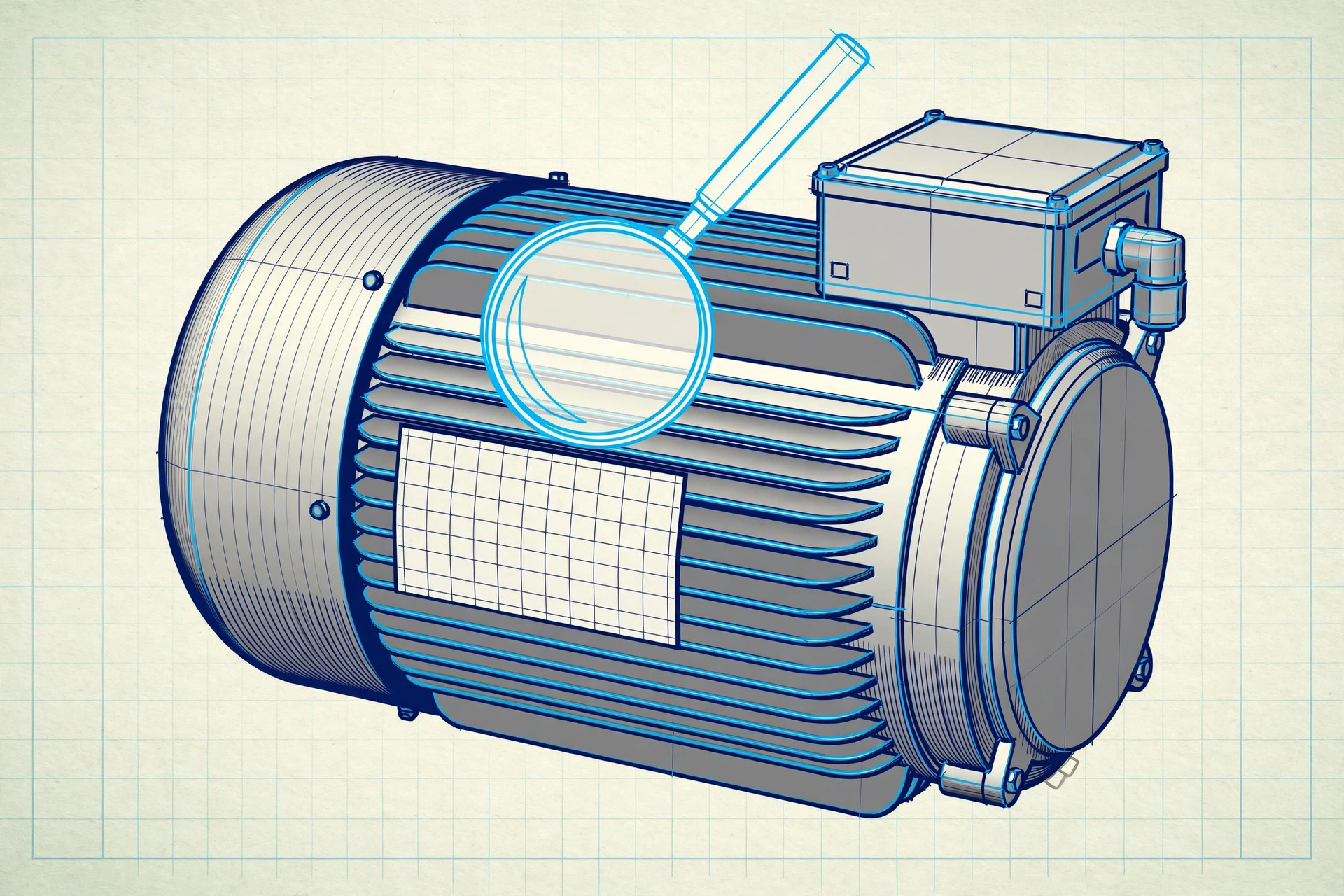
How to Read a Motor Nameplate
How to read the rating plate on an electric motor: power, speed, voltage, current, connection, duty and efficiency classes.
Read the guide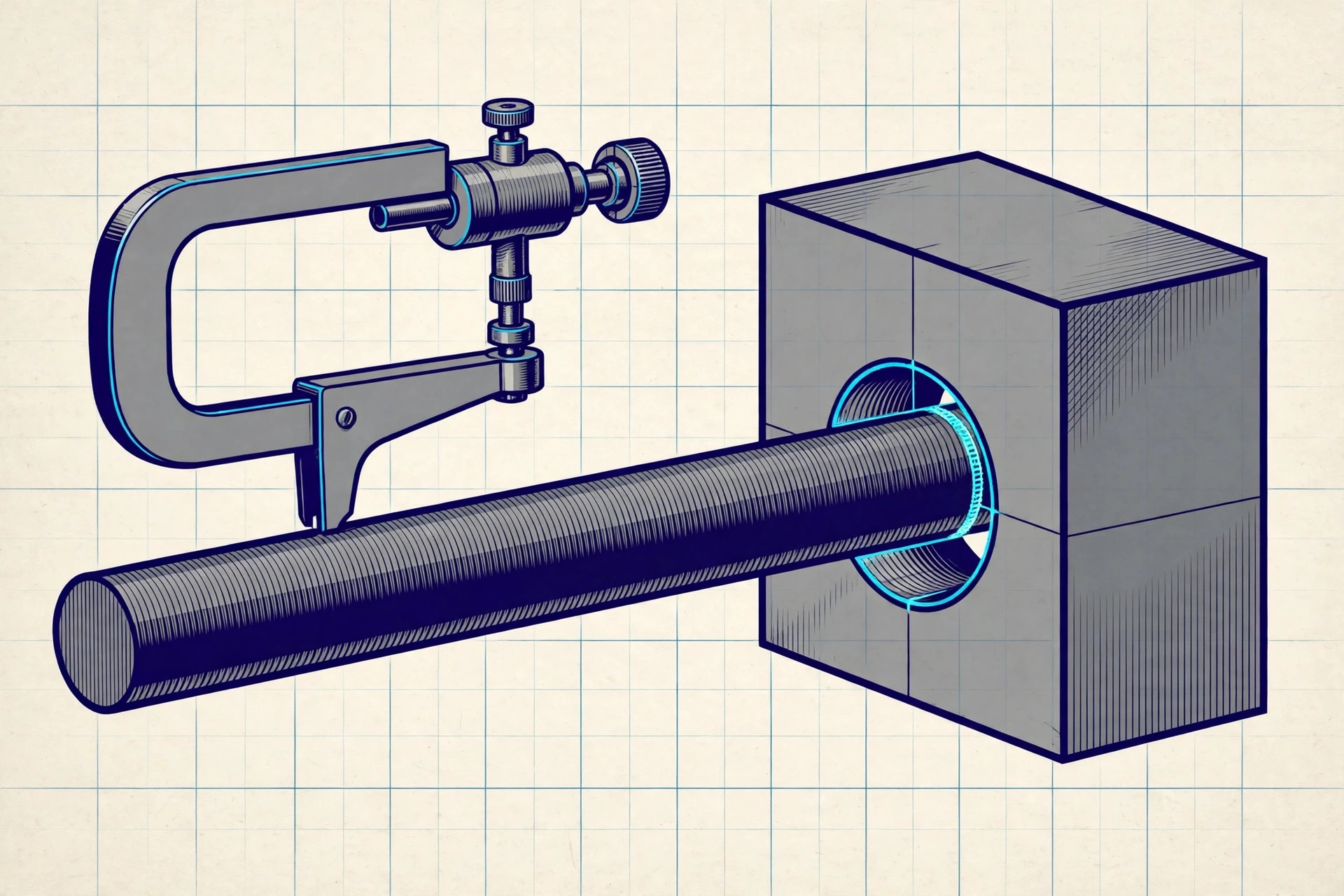
Fits and Tolerances Explained
Why machined parts are never exactly the drawn size, how limits and fits are specified, and the hole basis system.
Read the guide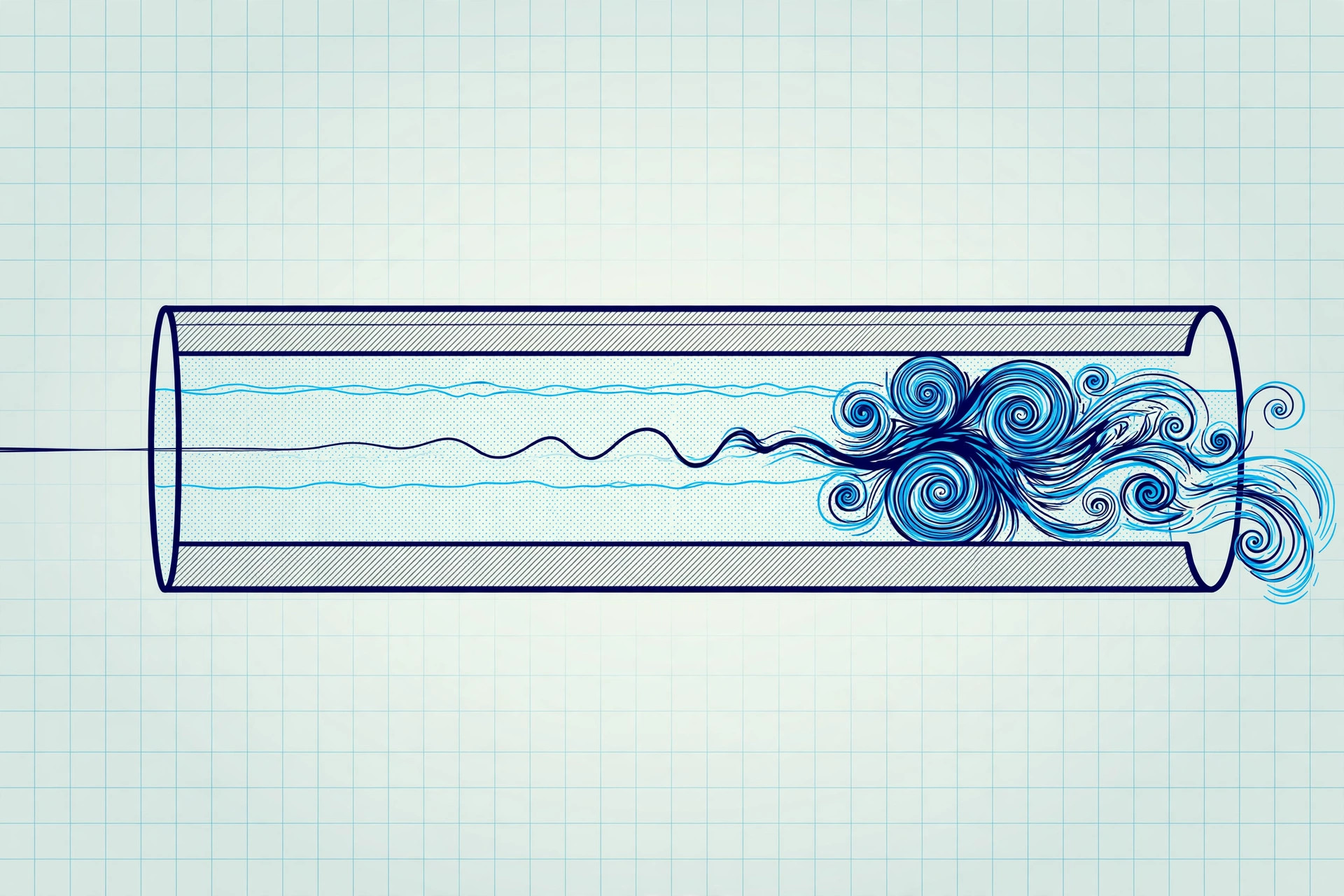
The Reynolds Number Explained
The dimensionless number that predicts whether flow is smooth or chaotic, how it is built, and why engineers trust it.
Read the guide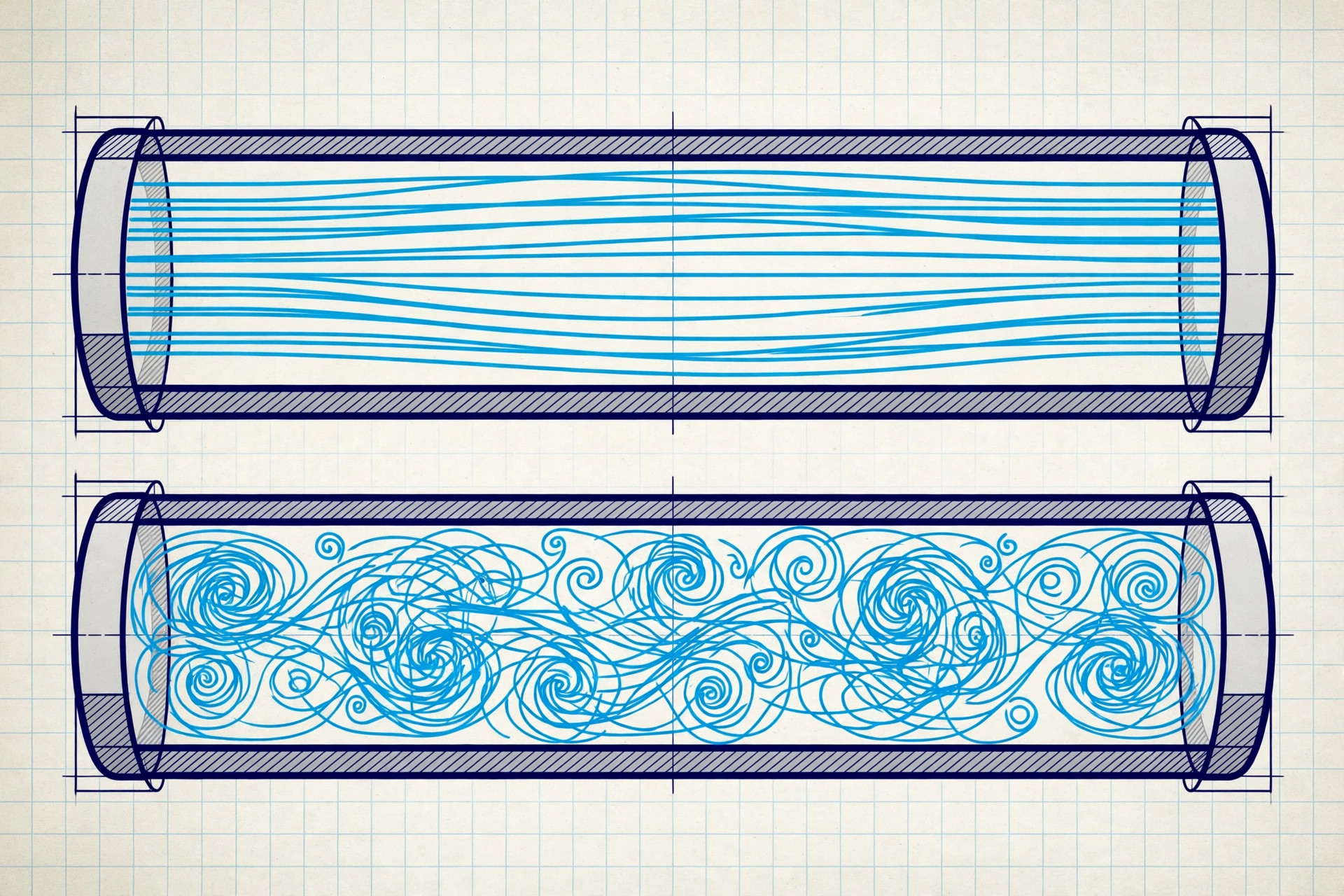
Laminar and Turbulent Flow
The two characters of fluid flow: layered and smooth versus mixed and chaotic, and what each means for friction and heat.
Read the guide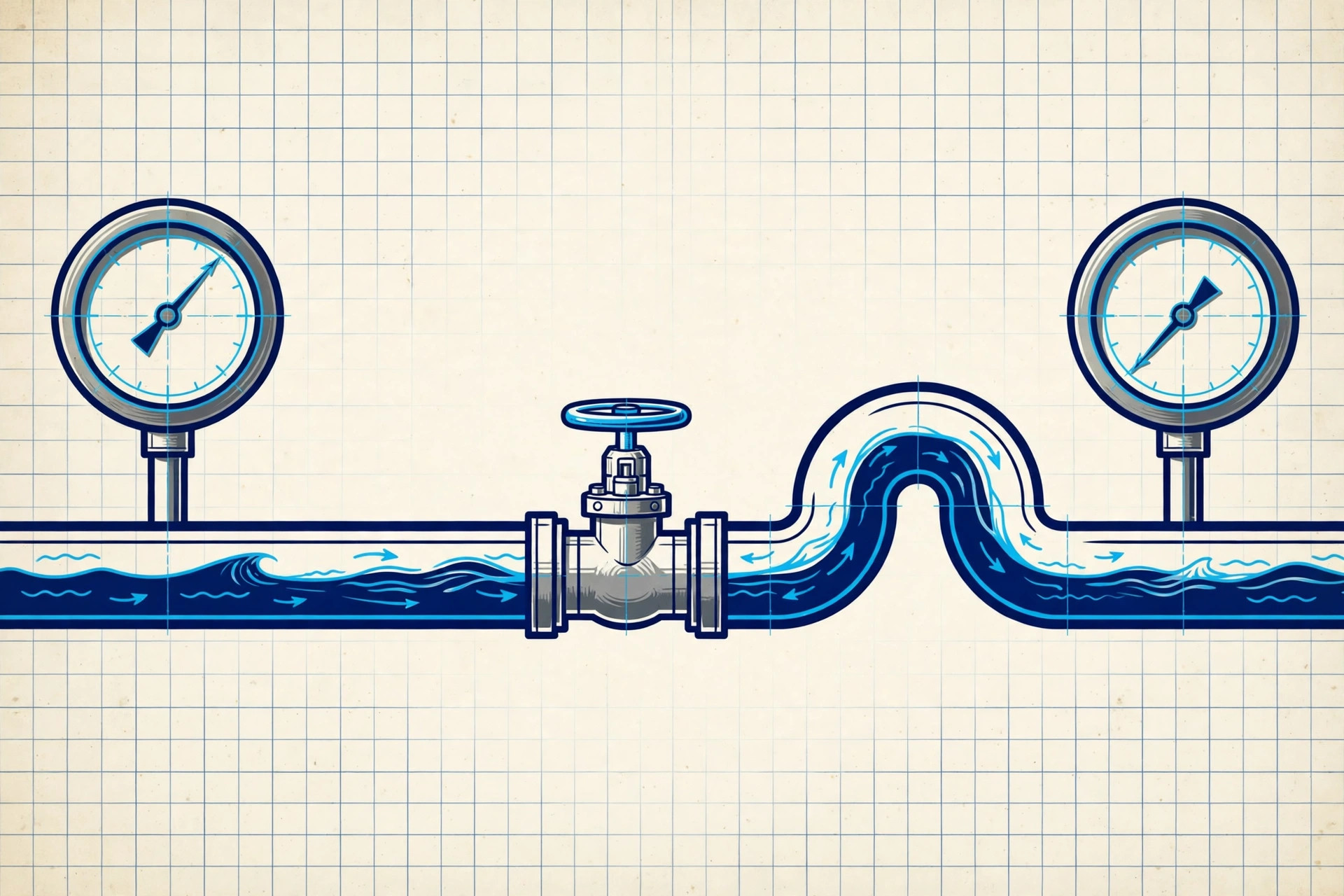
Pressure Drop in Pipes Explained
Where pressure goes in a pipe system: friction, fittings and height, and how the Darcy Weisbach equation accounts for it.
Read the guide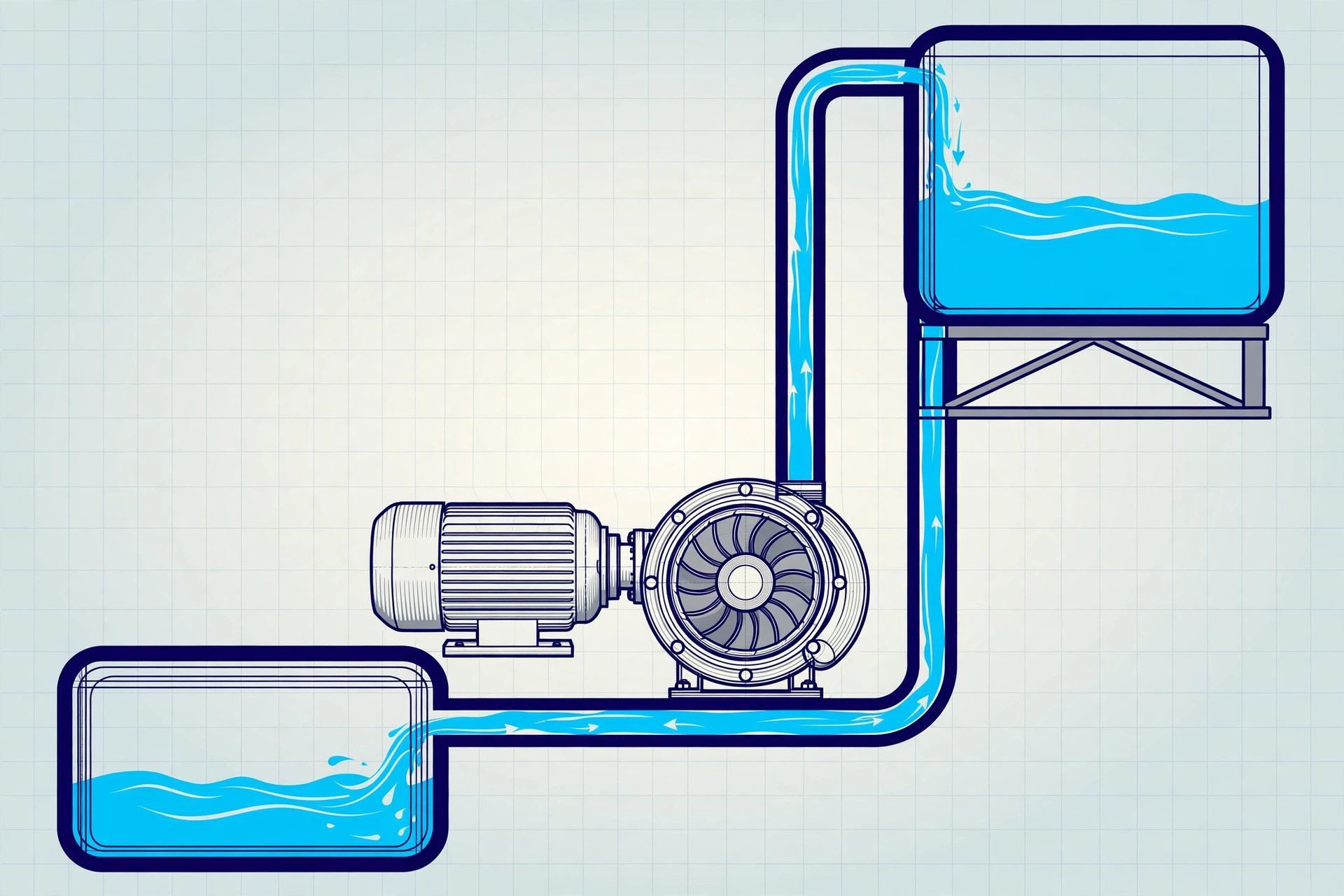
Pump Power Explained
How pump power follows from flow and head, why density matters, and how the duty point and efficiency shape the answer.
Read the guide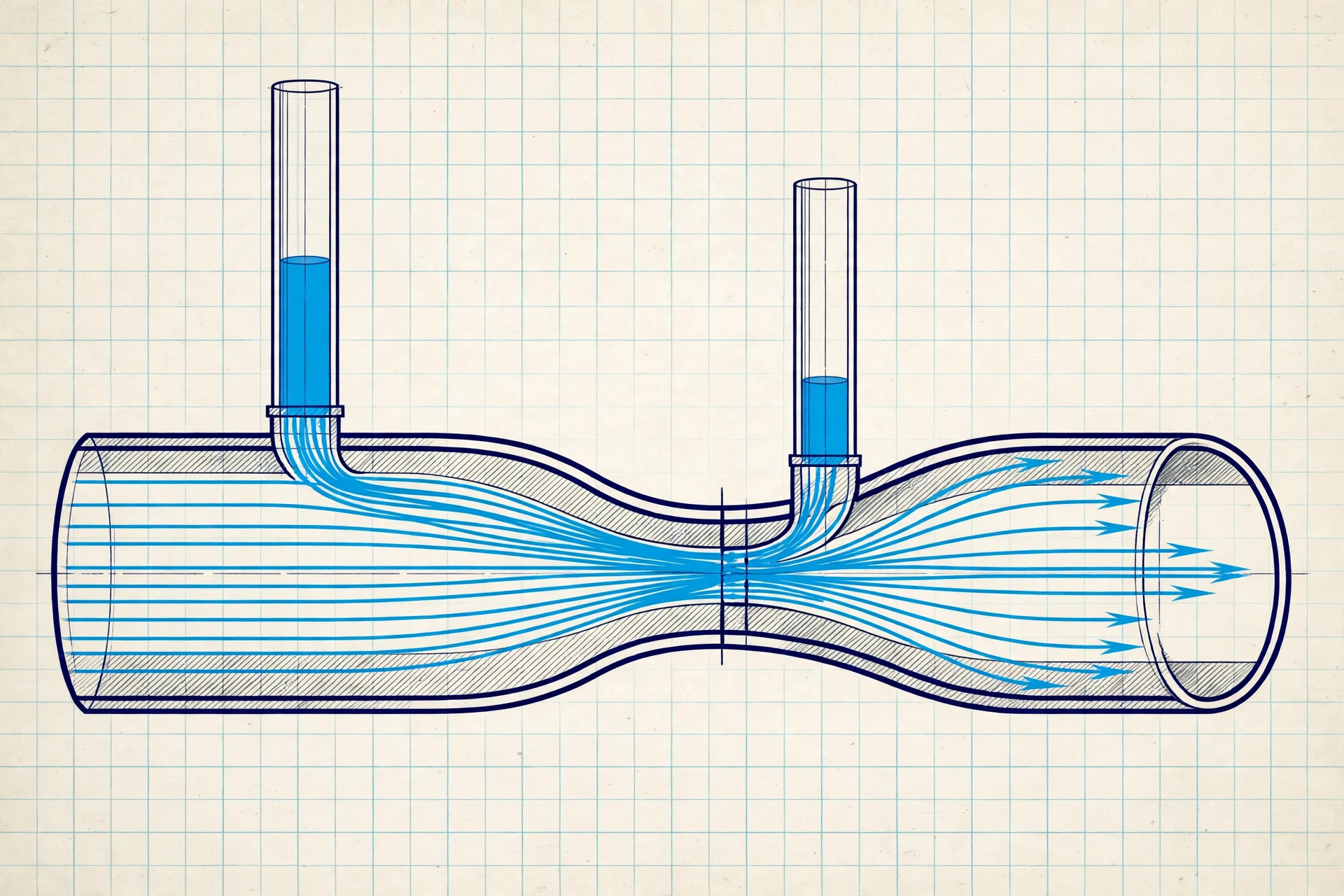
Bernoullis Principle Explained
The famous trade between speed and pressure in moving fluids, what the equation really says, and where it stops being true.
Read the guide
Viscosity Explained
What viscosity measures, why temperature moves it so much, and the two kinds, dynamic and kinematic, that engineers quote.
Read the guide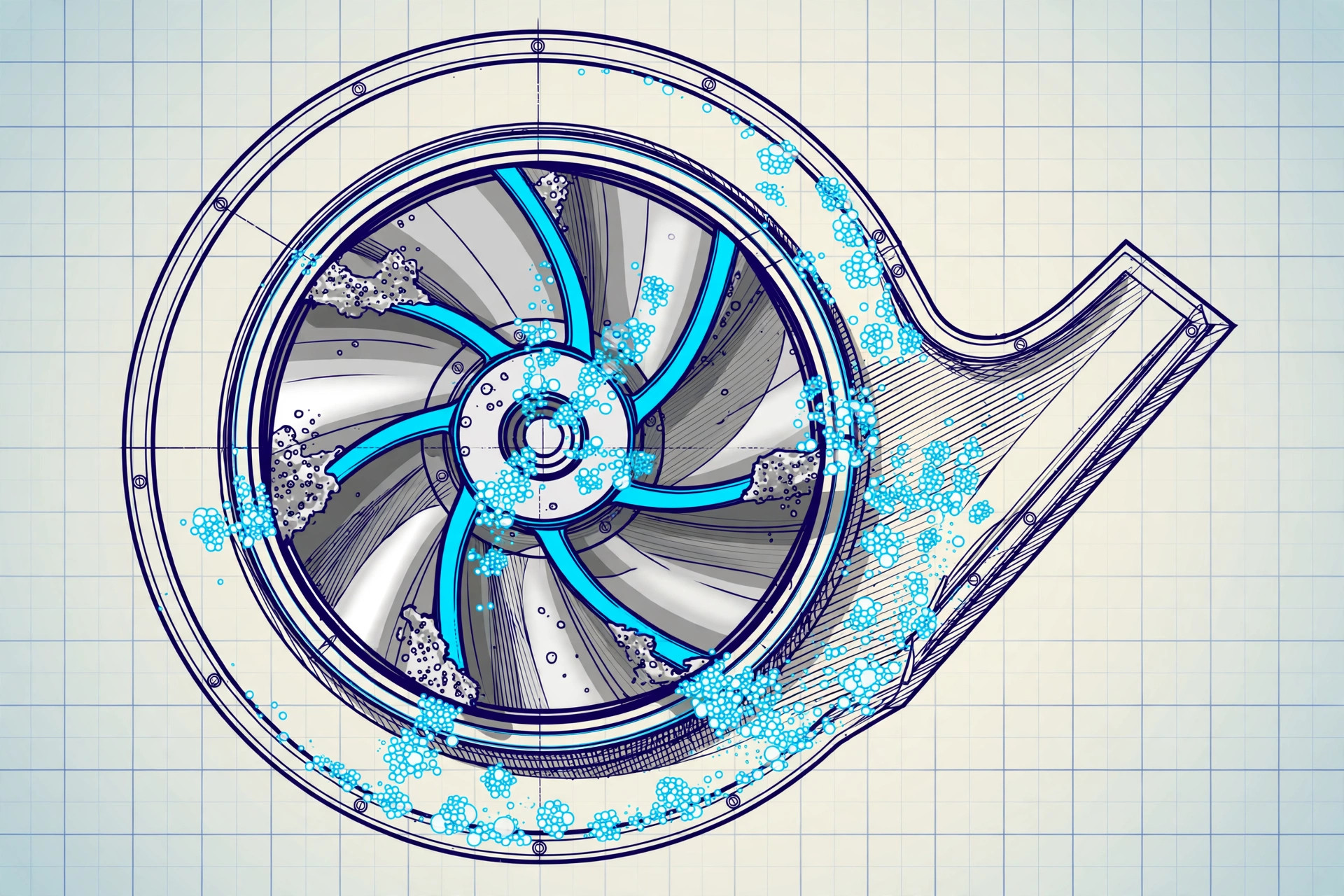
Cavitation Explained: The Pump Killer
The rattling, gravel like damage that eats pump impellers: what cavitation is, why it happens, and how NPSH prevents it.
Read the guide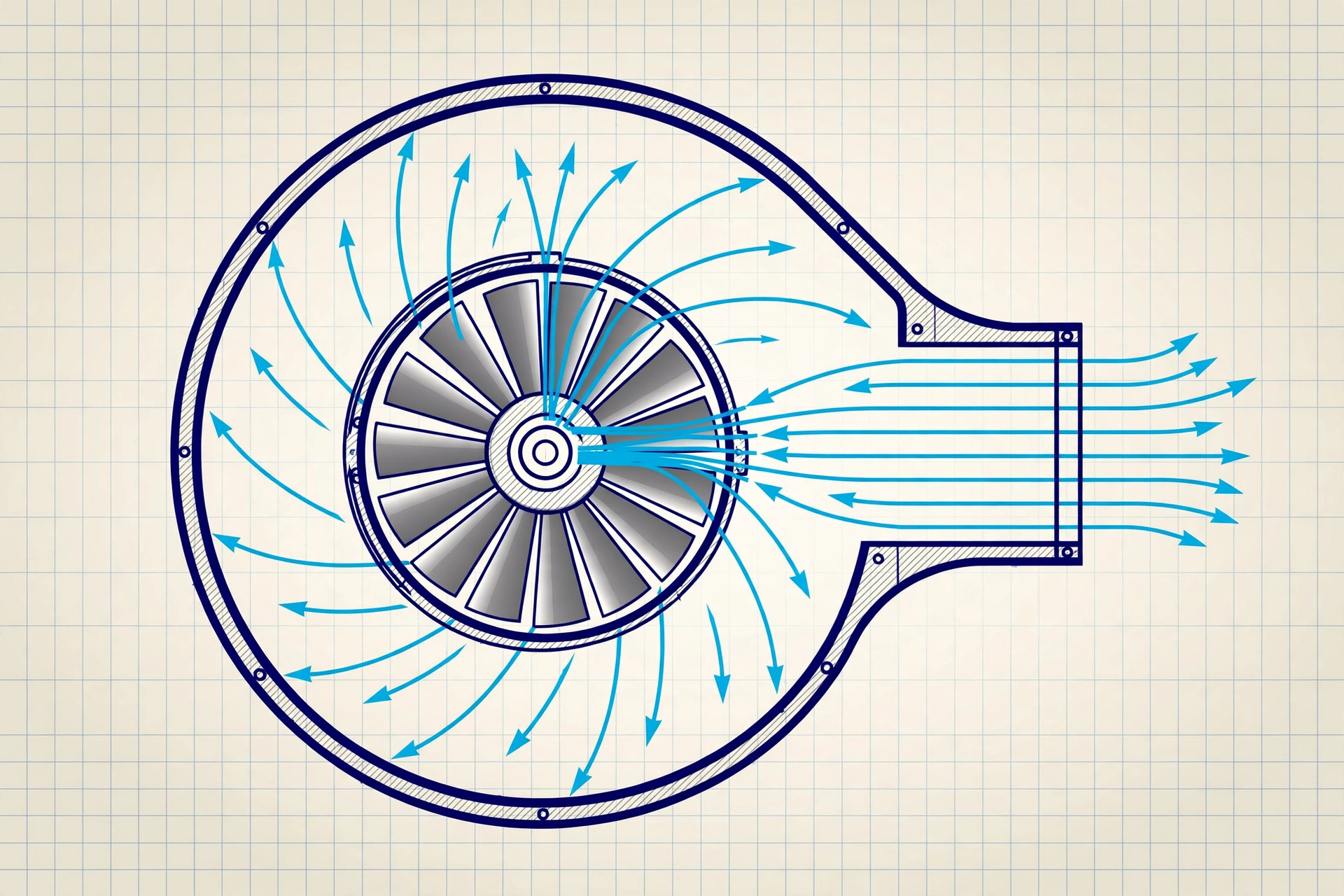
How Fans and Blowers Work
How fans and blowers are rated, what fan laws say about speed changes, and how a fan meets its system.
Read the guide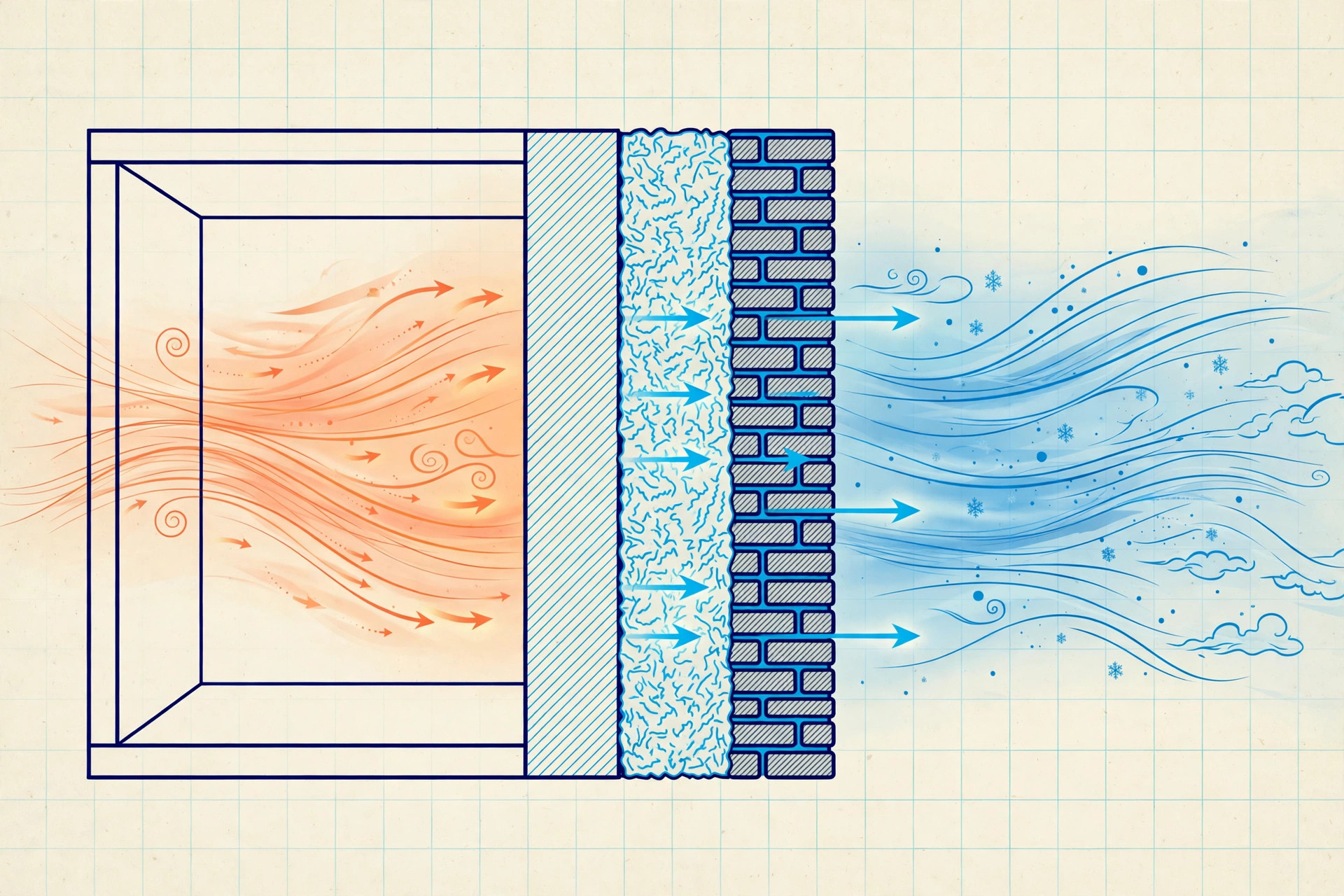
U Values and Heat Loss Explained
What a U value measures, how it is built up from the layers of a wall, and the targets that building regulations set.
Read the guide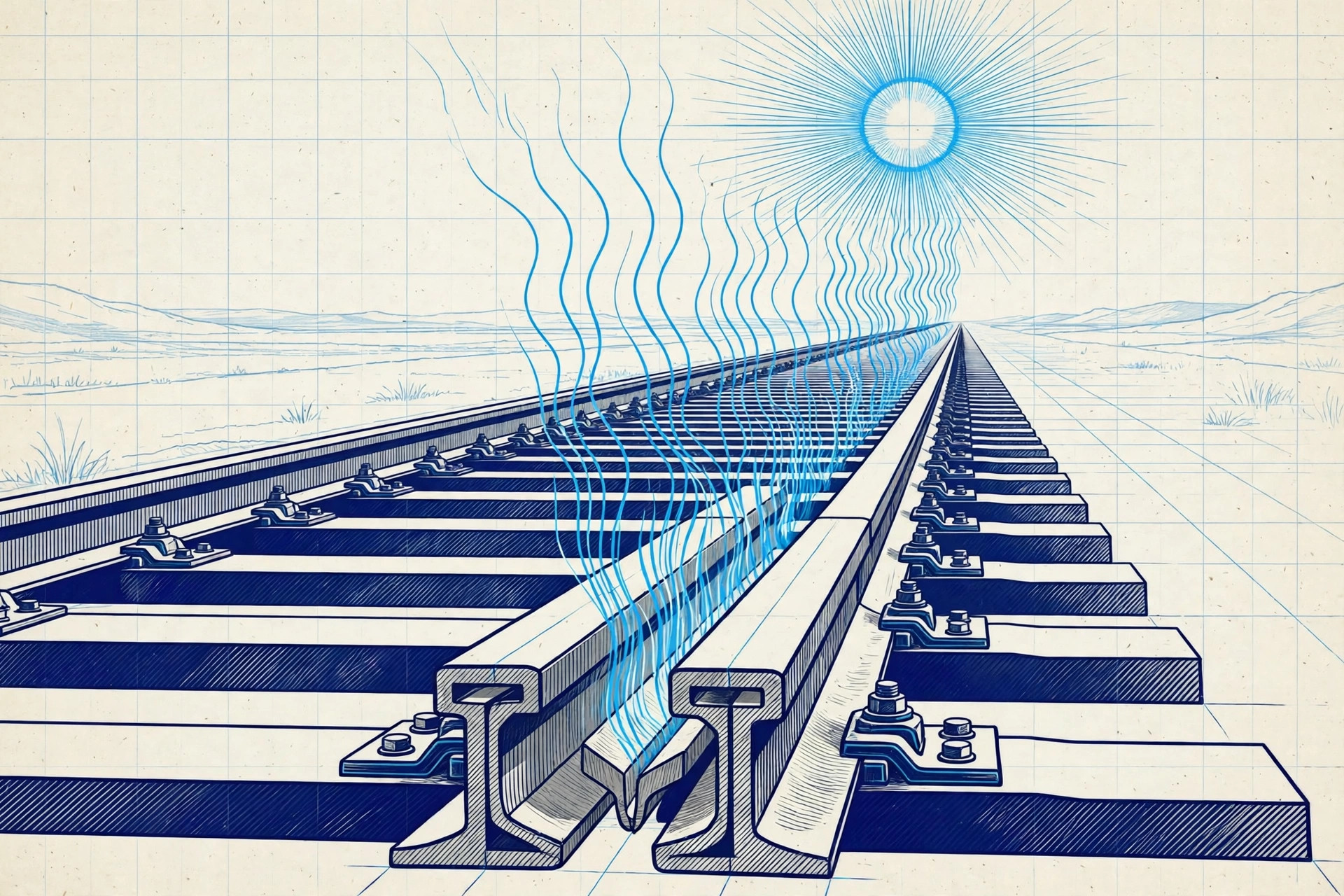
Thermal Expansion Explained
How much materials grow when heated, the coefficient that describes it, and the damage done when movement is restrained.
Read the guide
Conduction, Convection and Radiation
The three routes heat travels: through solids, carried by fluids, and radiated across space, and how each is calculated.
Read the guide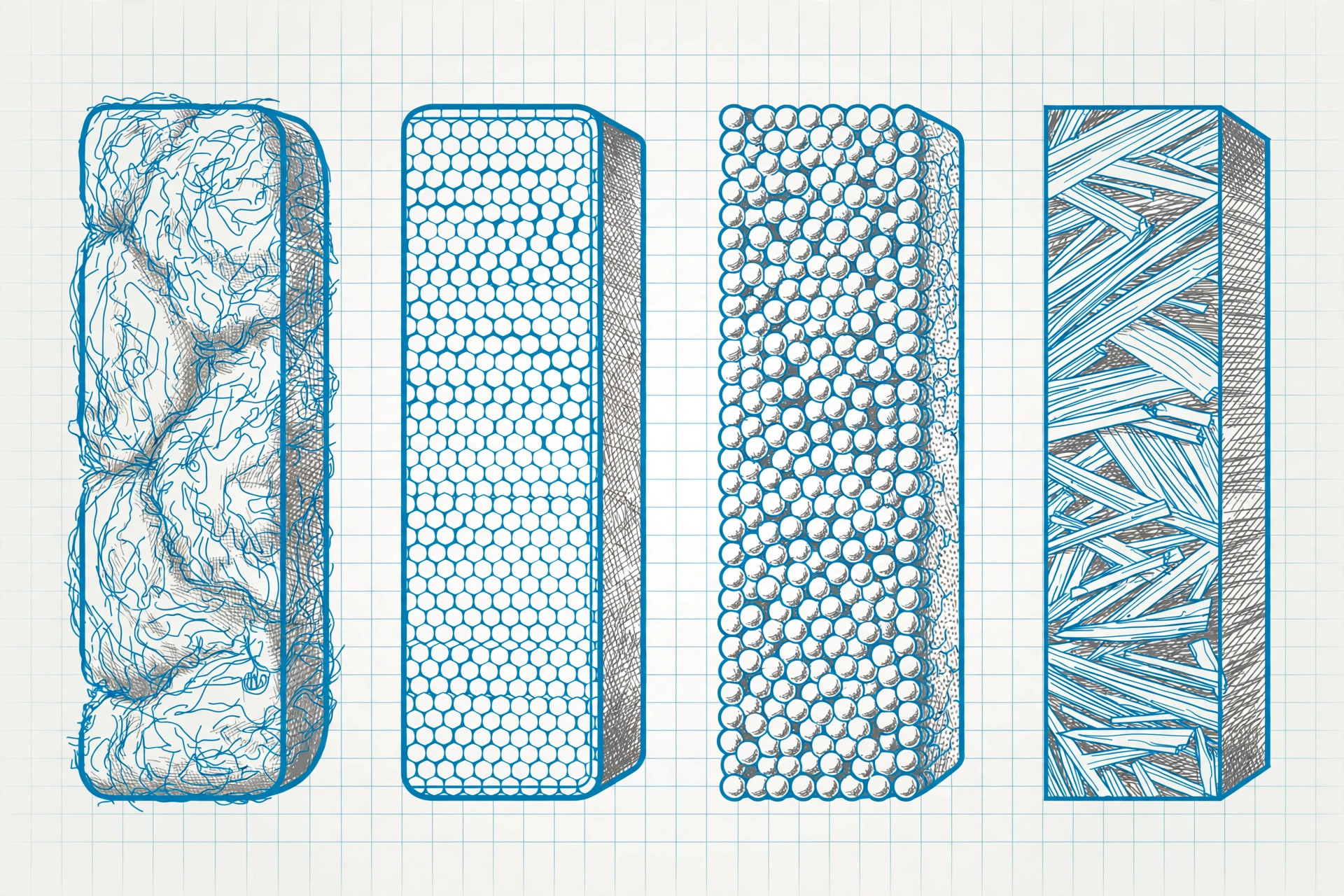
Insulation Materials Compared
The main insulation materials compared on conductivity, cost, moisture behaviour and fire, and how to choose between them.
Read the guide
Ohms Law Explained
The most used law in electrical work: how voltage, current and resistance relate, and the power law that completes the set.
Read the guide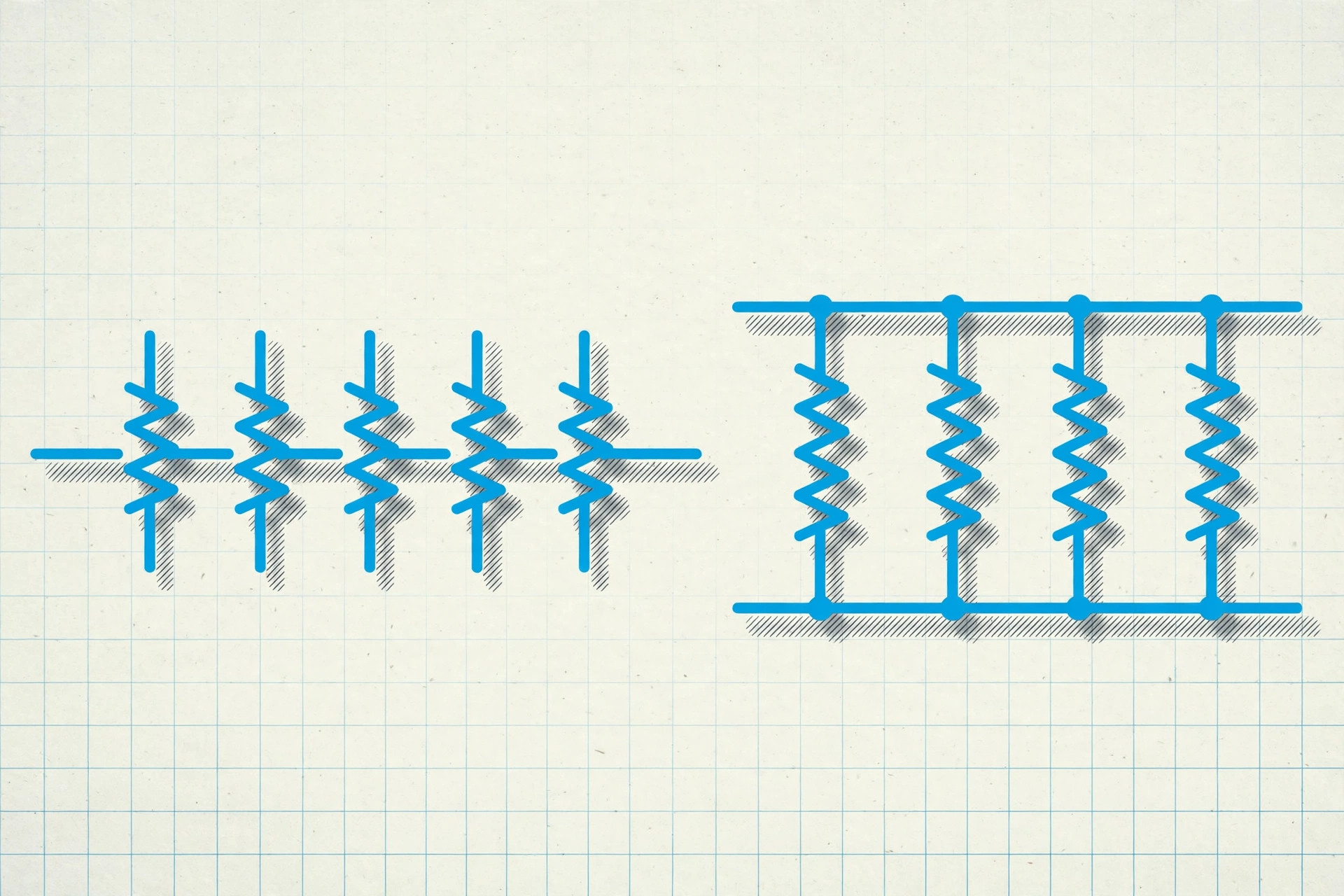
Series and Parallel Resistors
How resistors combine in the two basic arrangements, why parallel always lowers the total, and where each is used.
Read the guide
Voltage Dividers Explained
How two resistors split a voltage in exact proportion, when the simple formula holds, and the loading trap that bends it.
Read the guide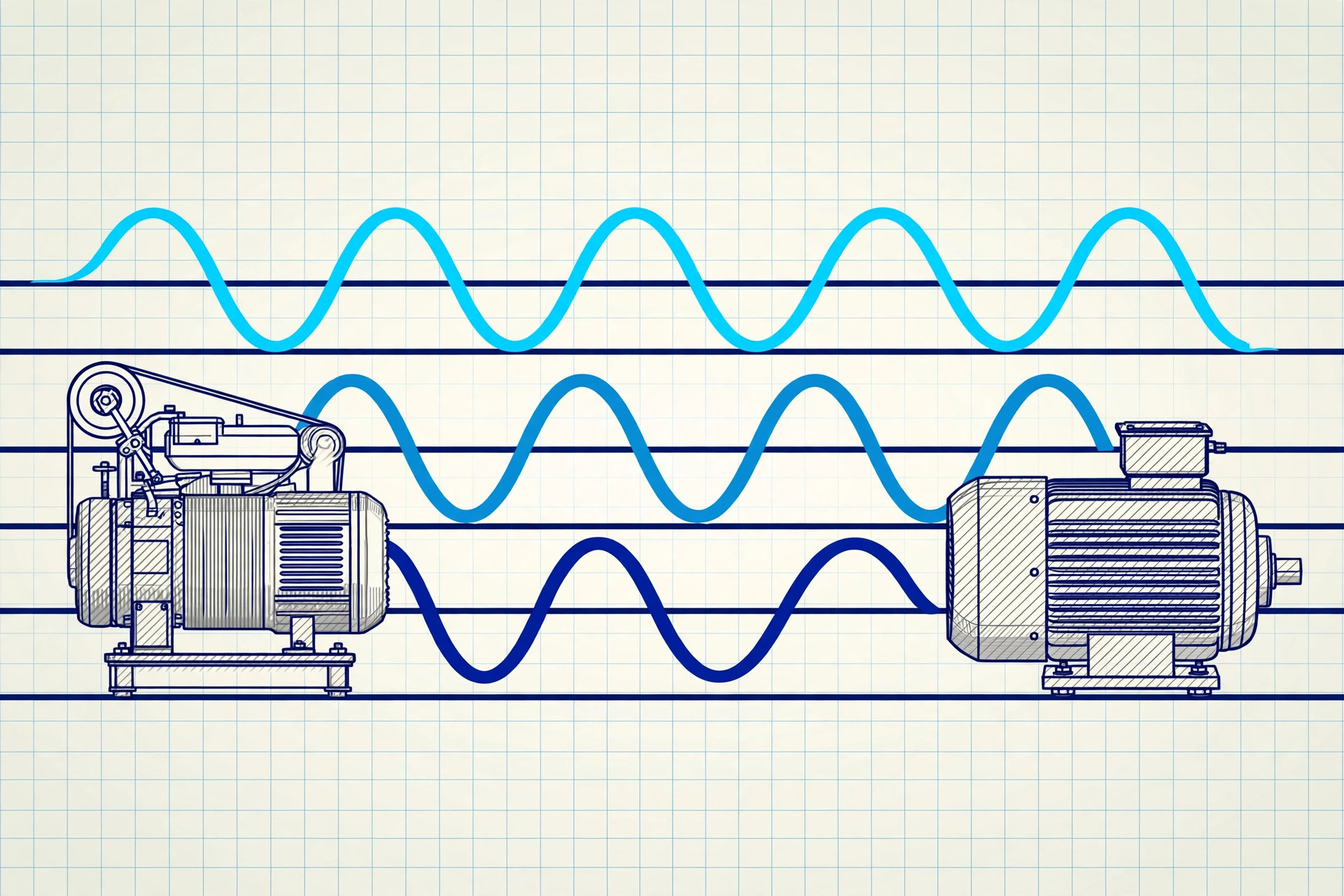
Three Phase Power Explained
Why industry runs on three phases, how the power formula with root three arises, and the star and delta connections.
Read the guide